A Collapse of Horses
Steph Gonzalez-Turner
SEPTEMBER 12 TO OCTOBER 31, 2026
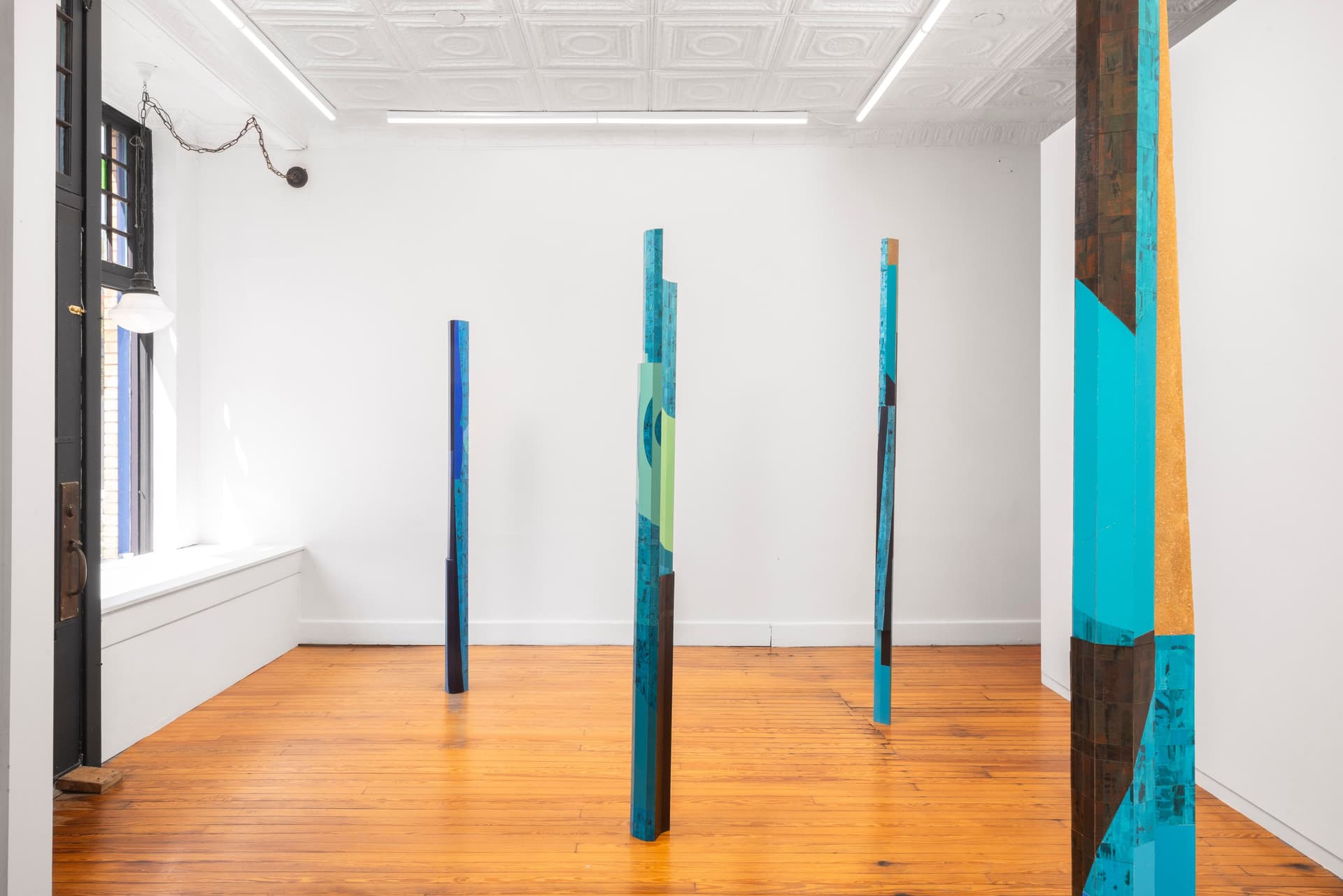
Installation view.
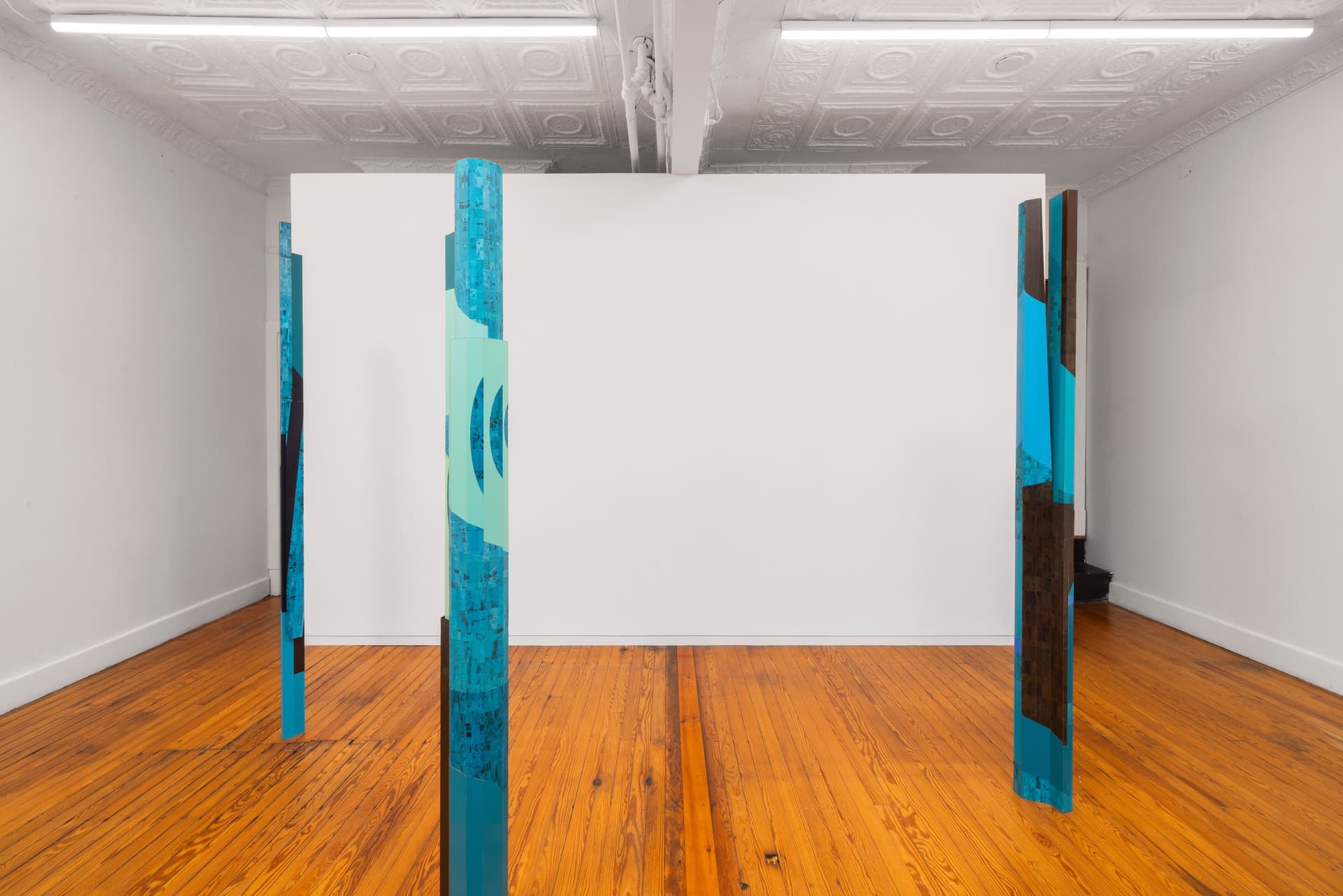
Installation view.
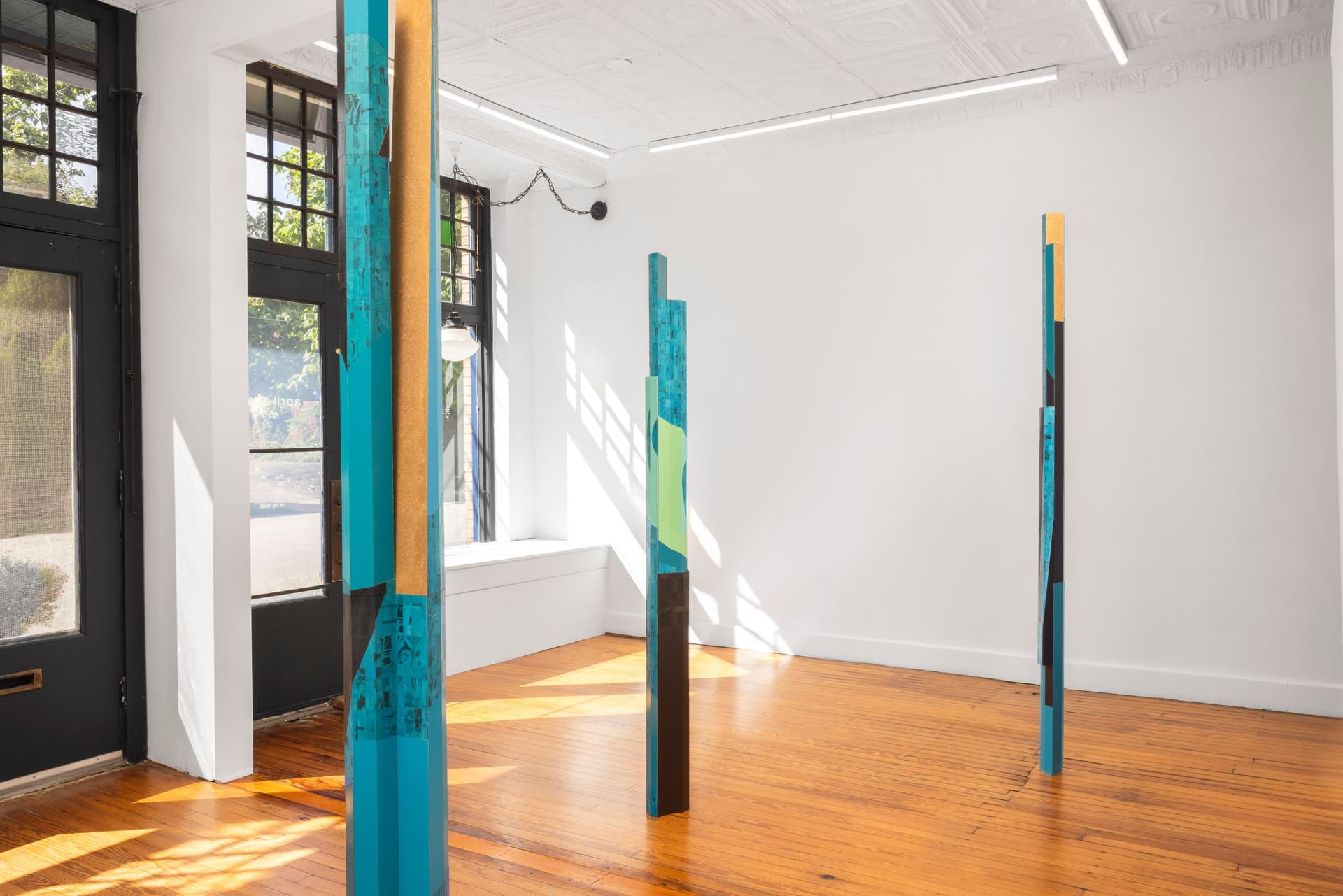
Installation view.
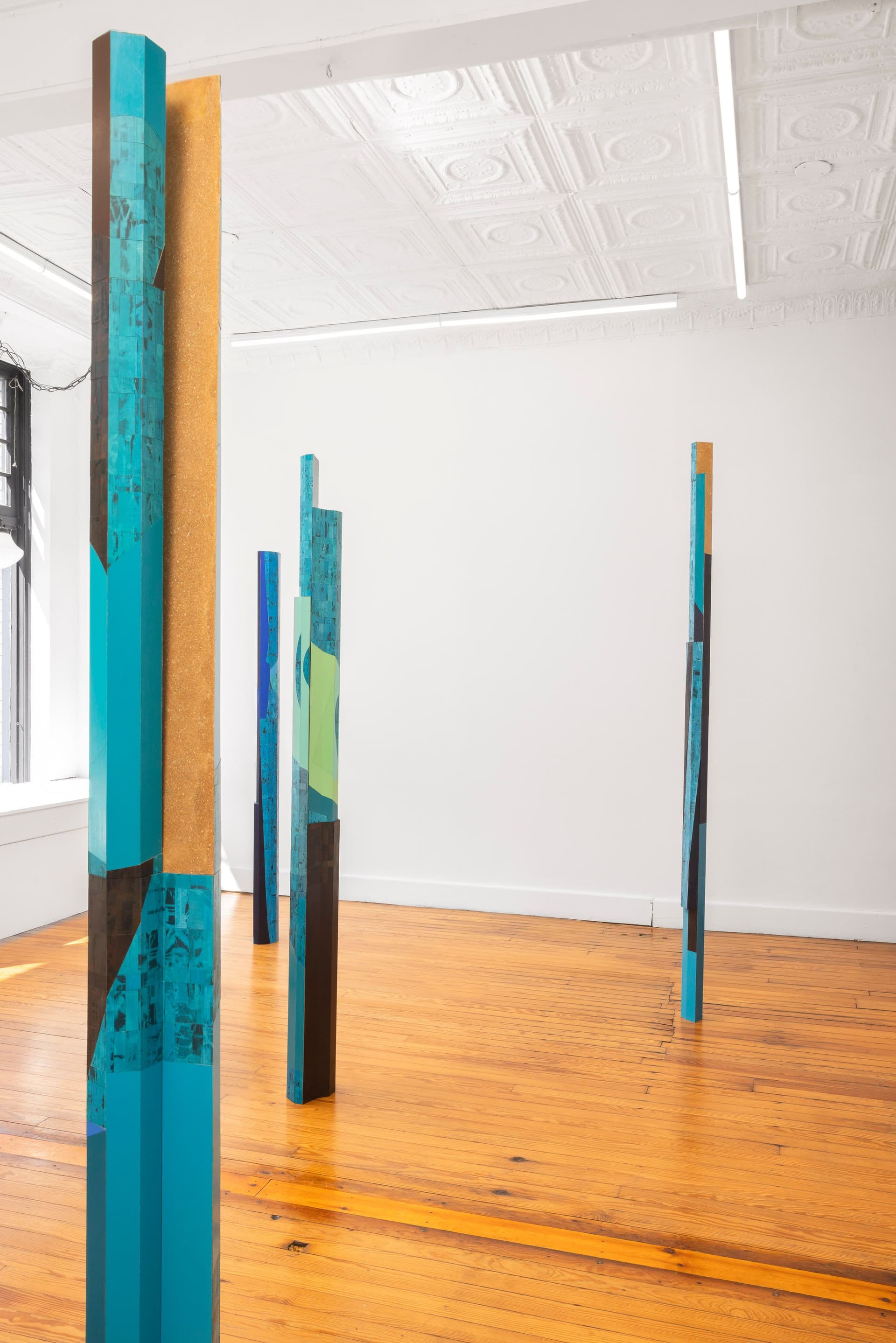
Installation view.
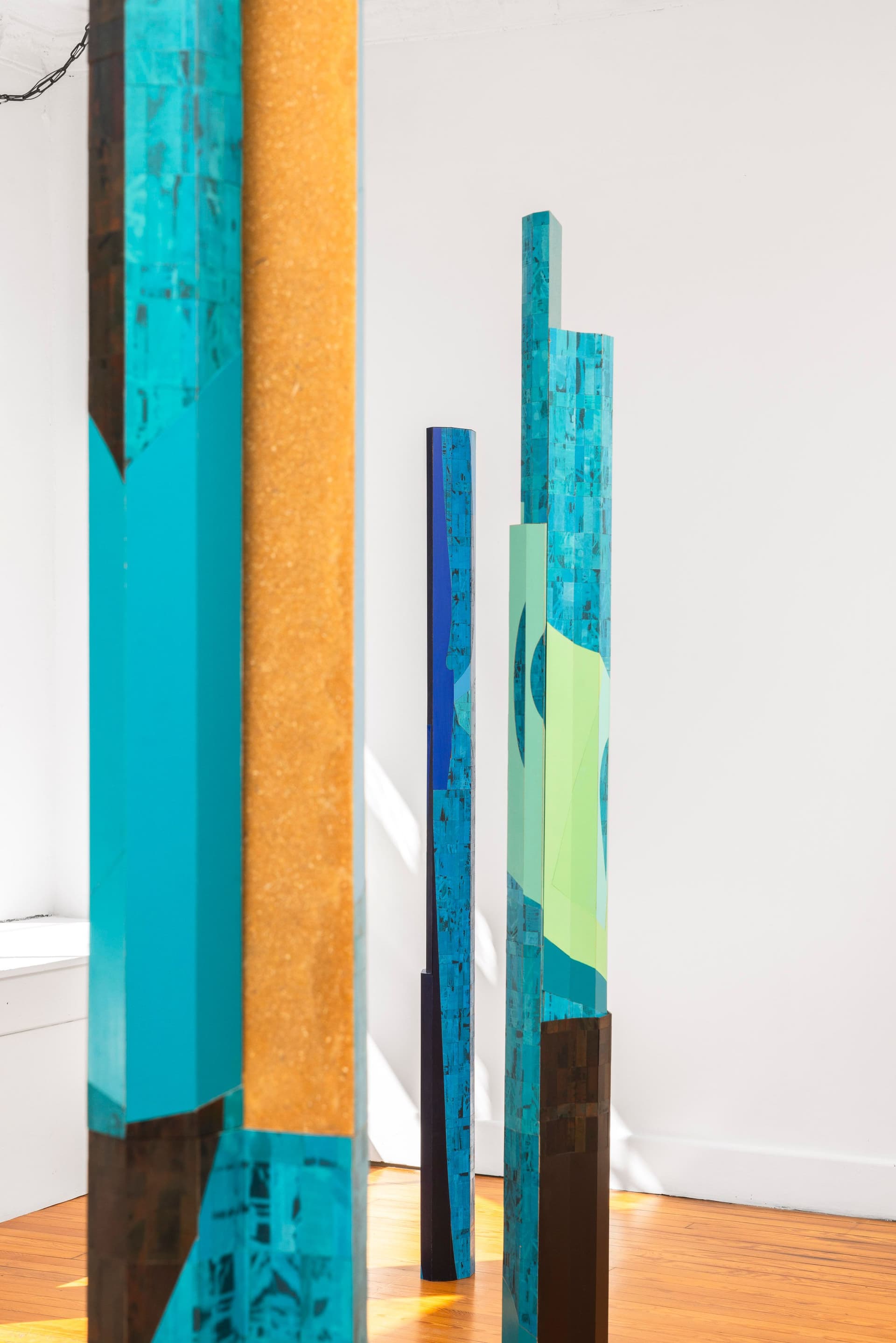
Installation view.
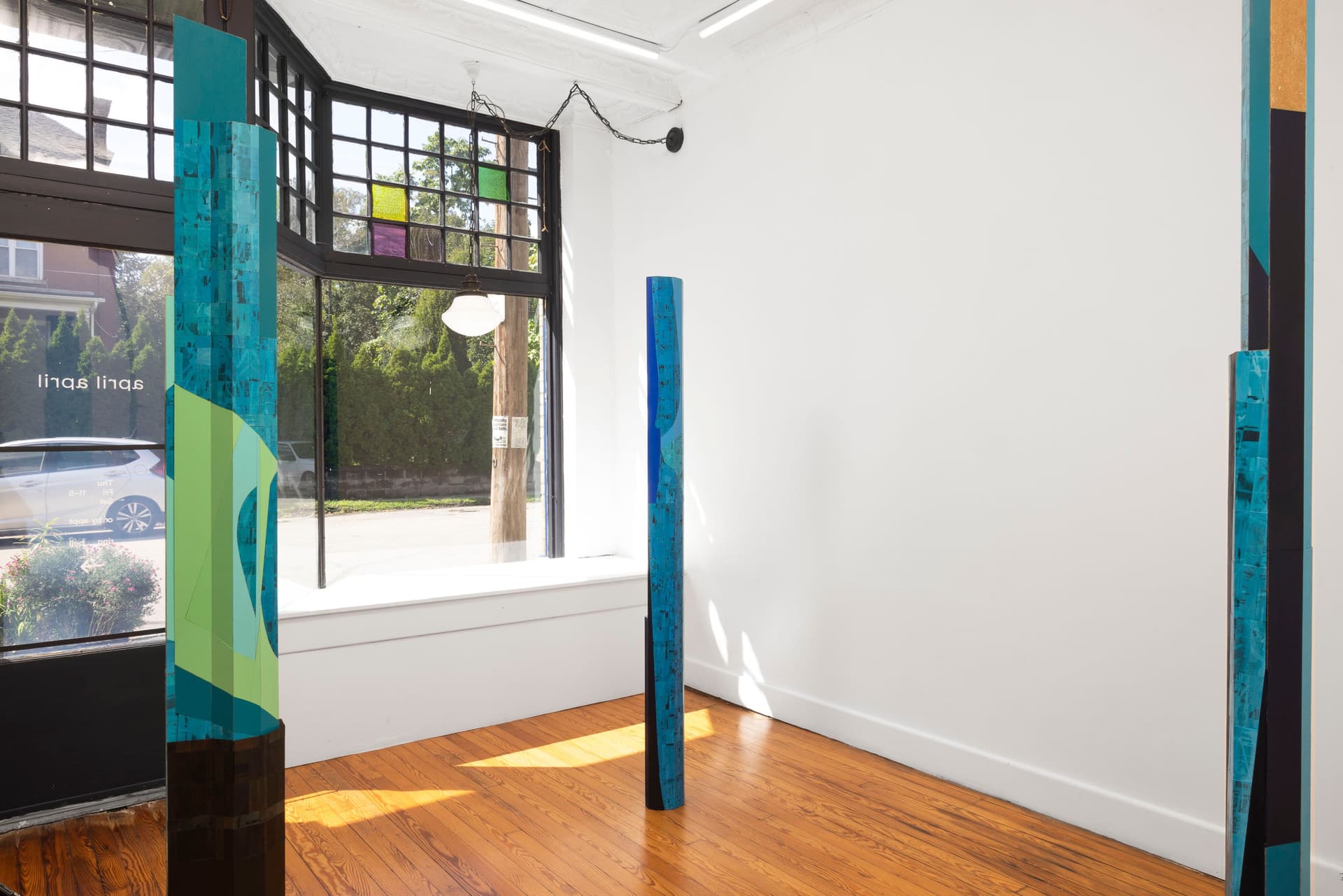
Installation view.
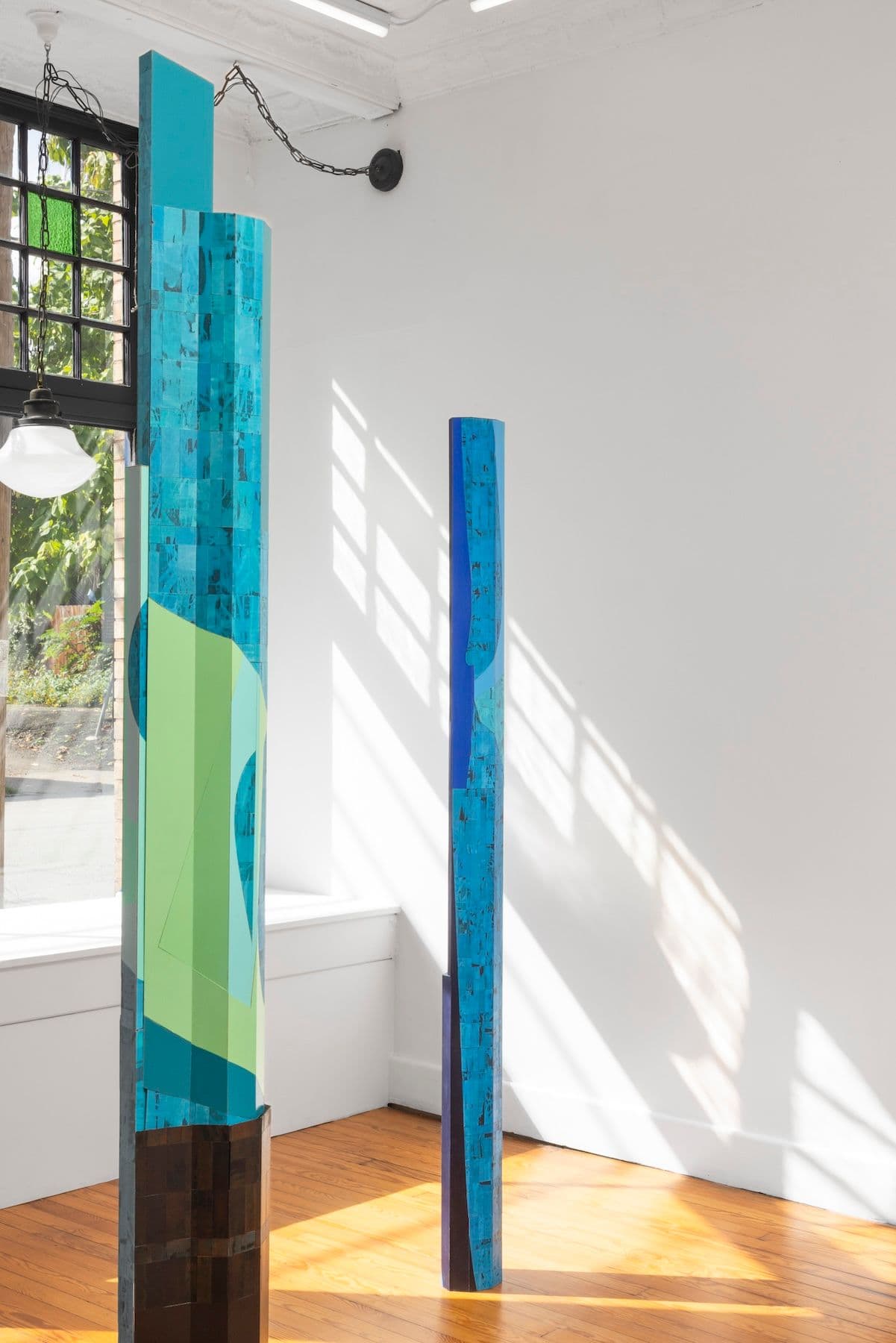
Installation view.
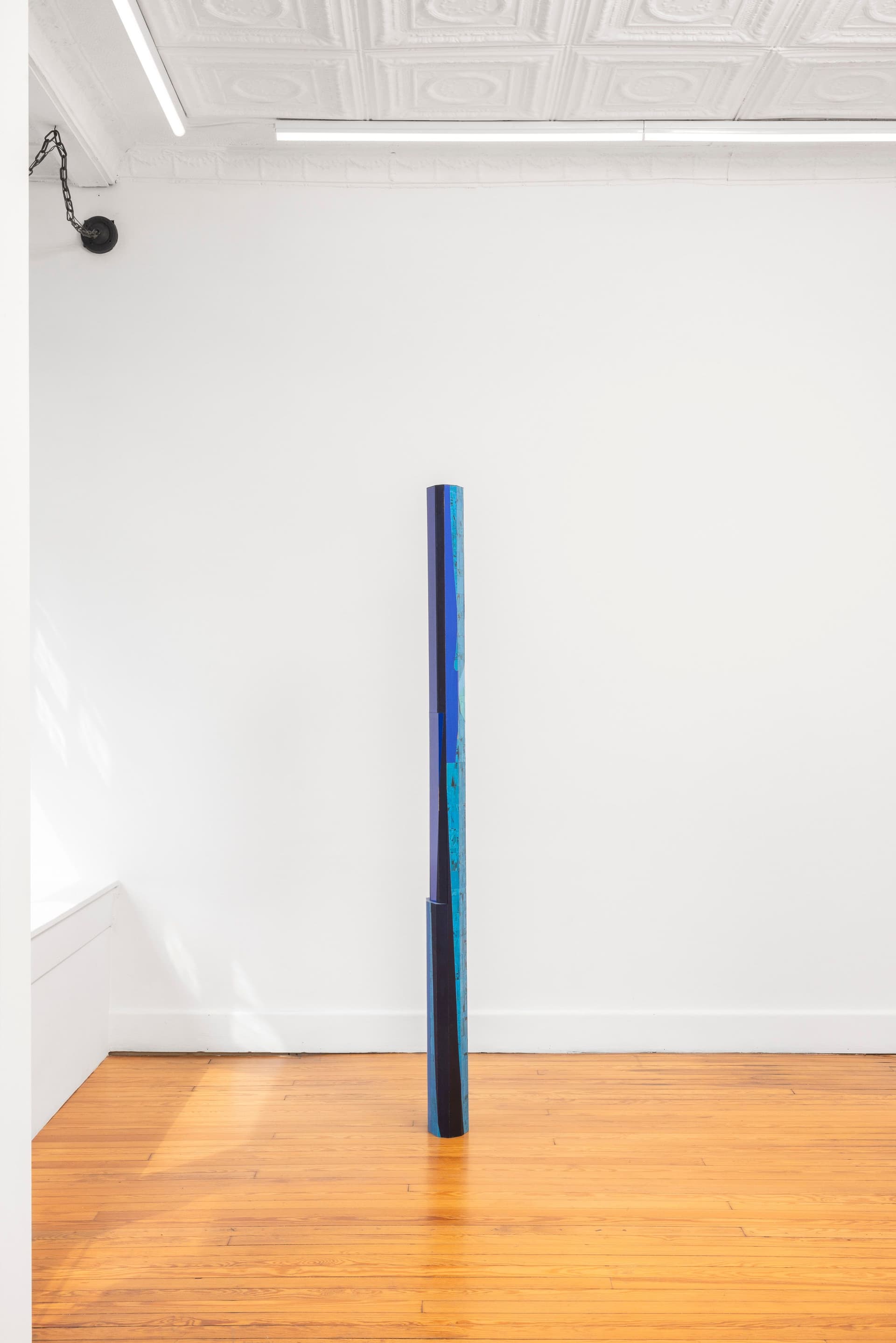
Installation view.
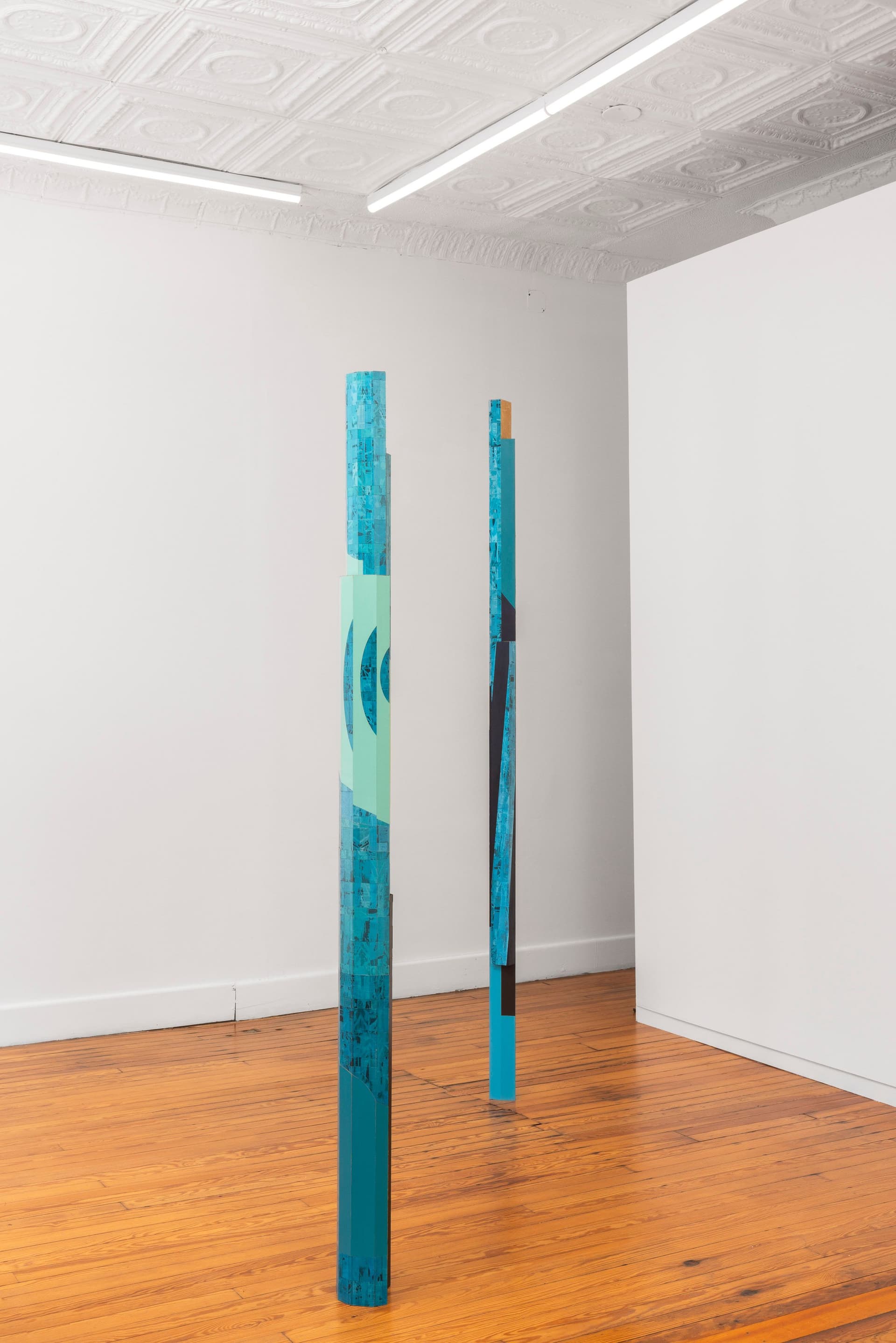
Installation view.
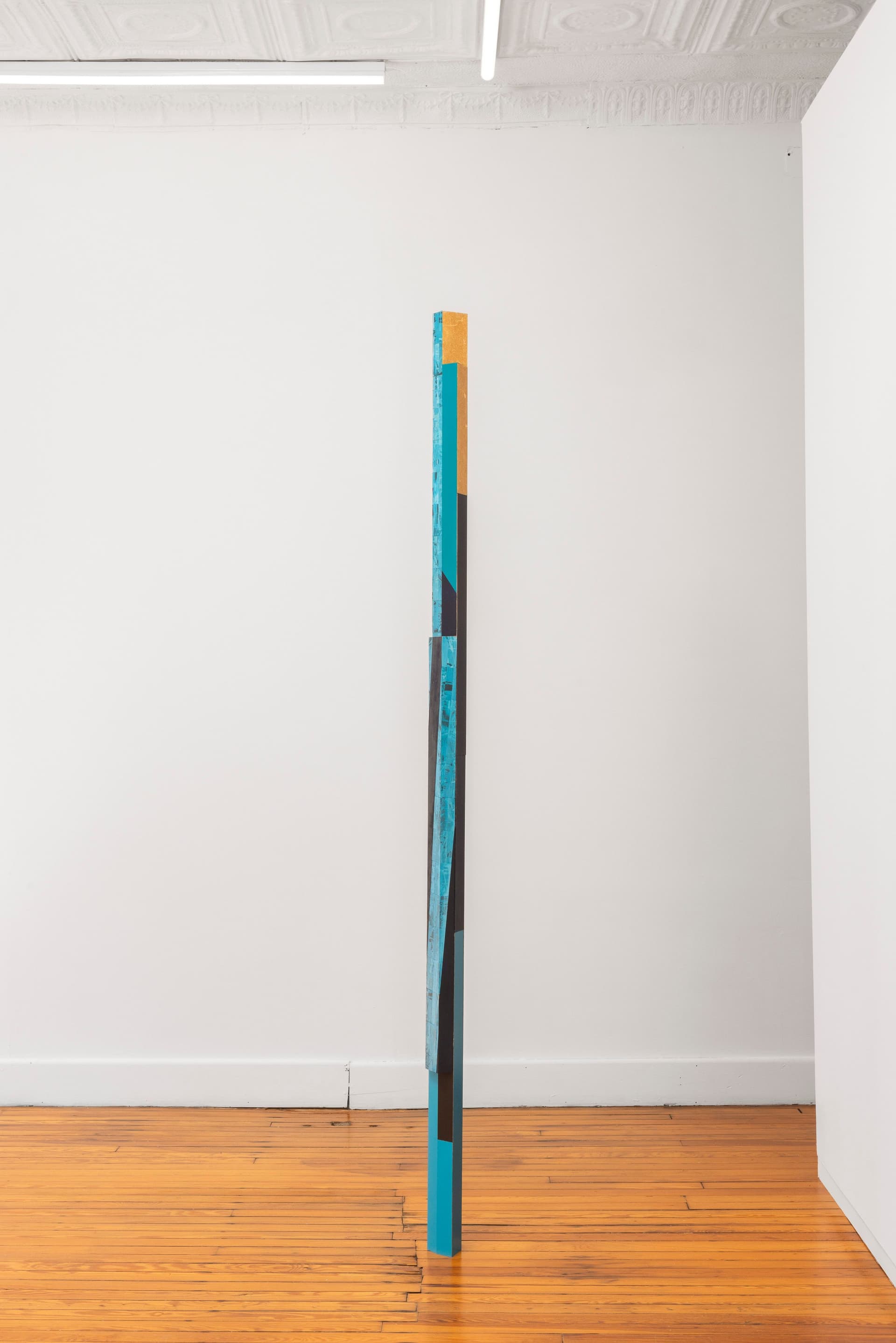
Installation view.
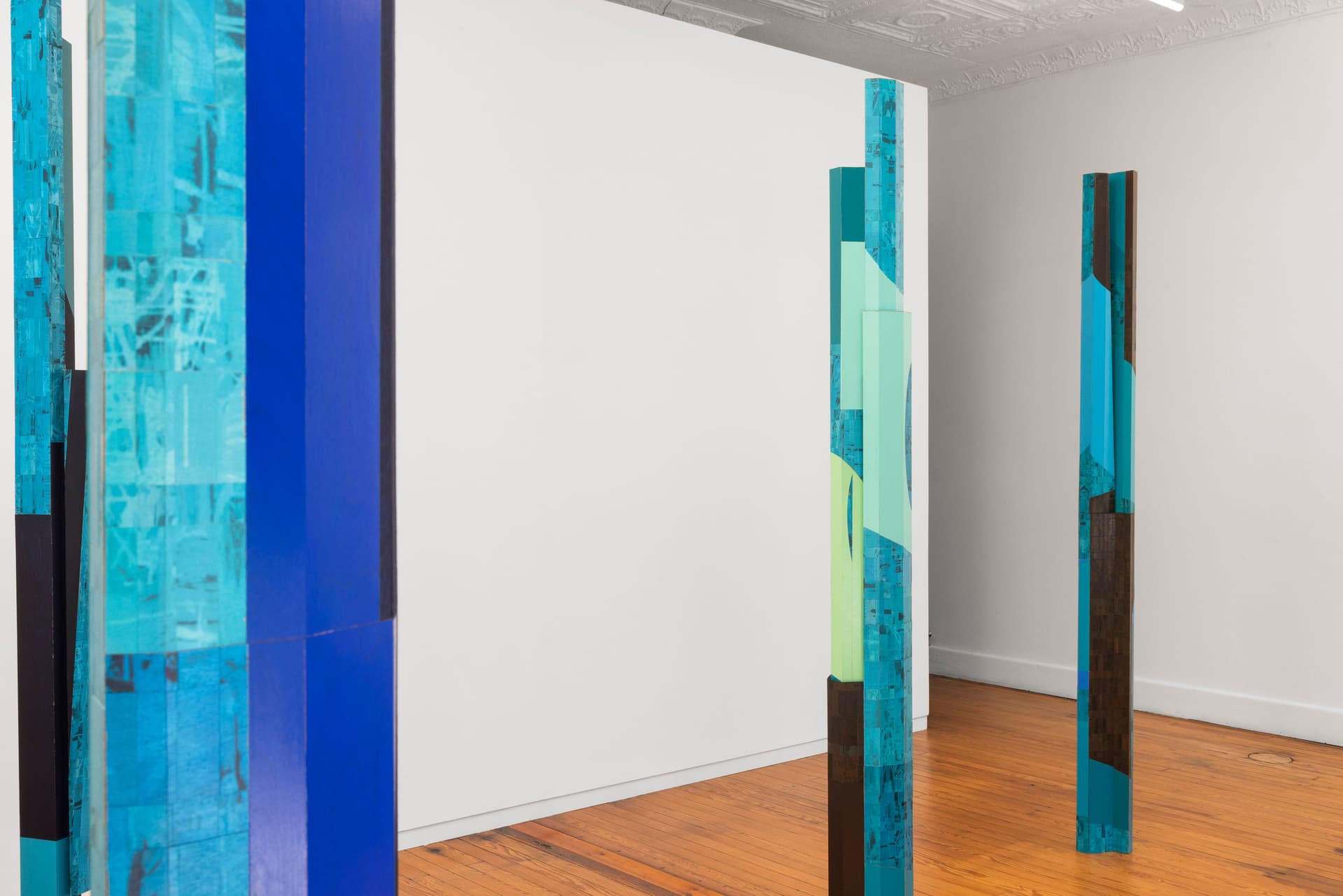
Installation view.
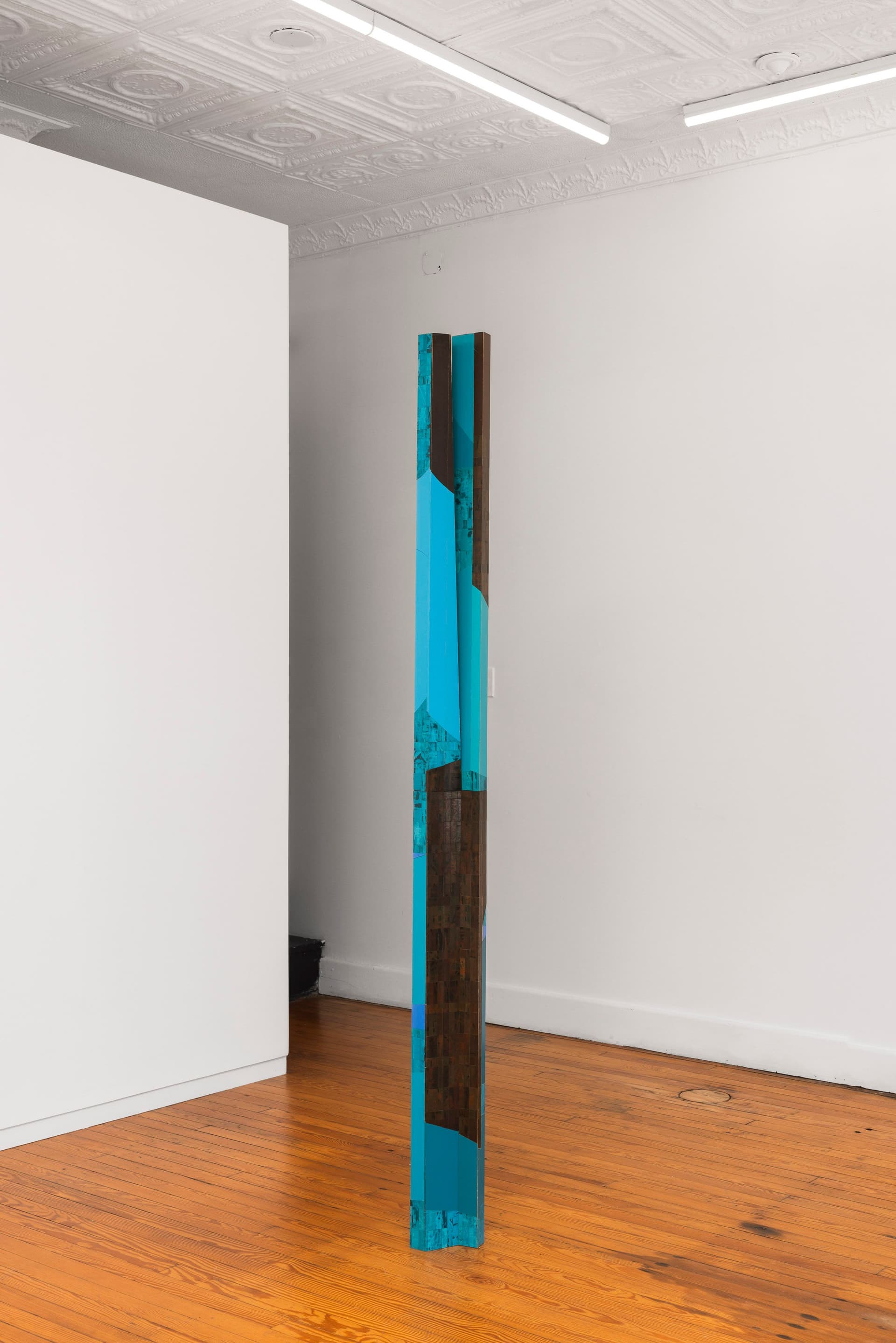
Installation view.
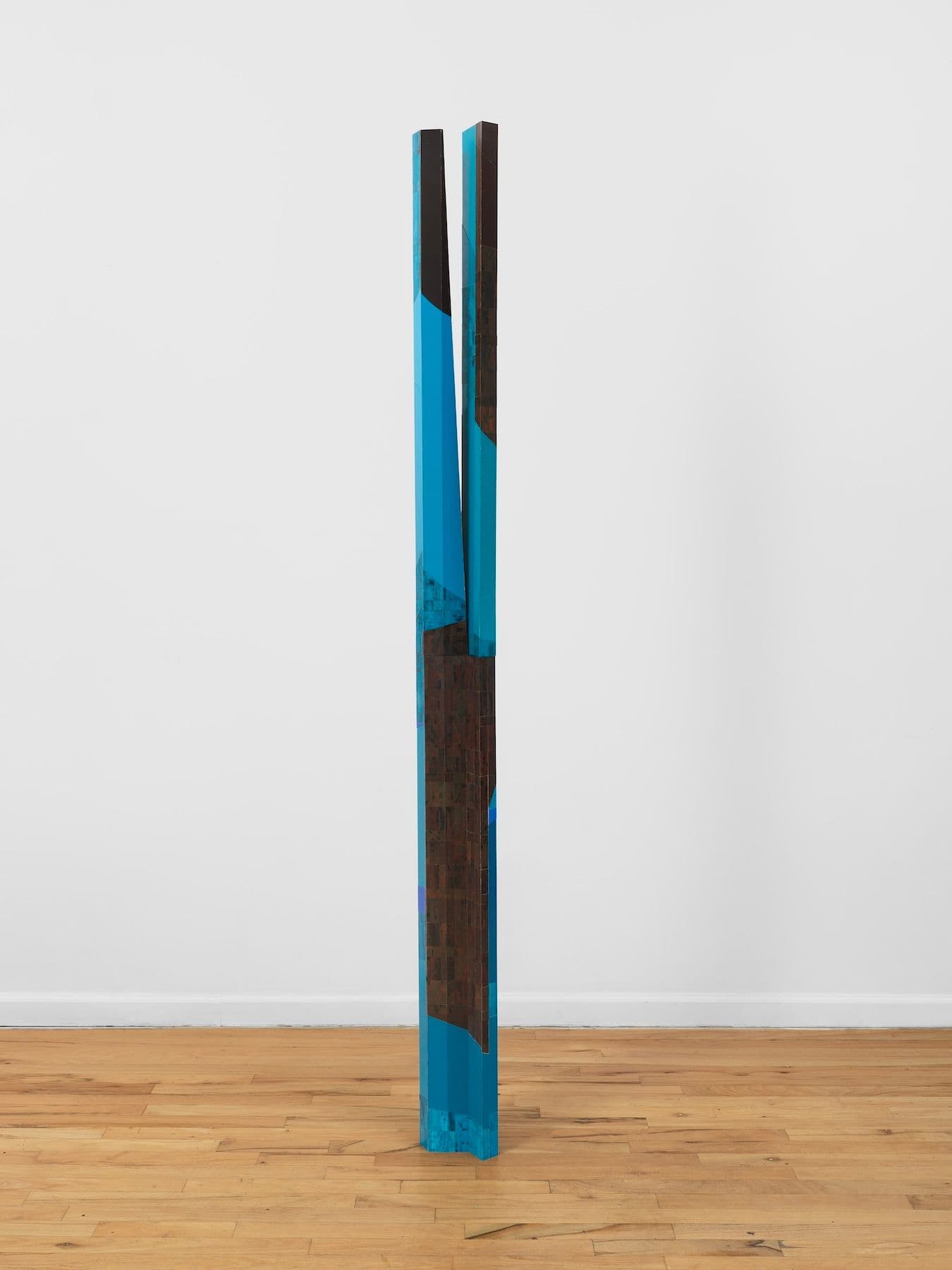
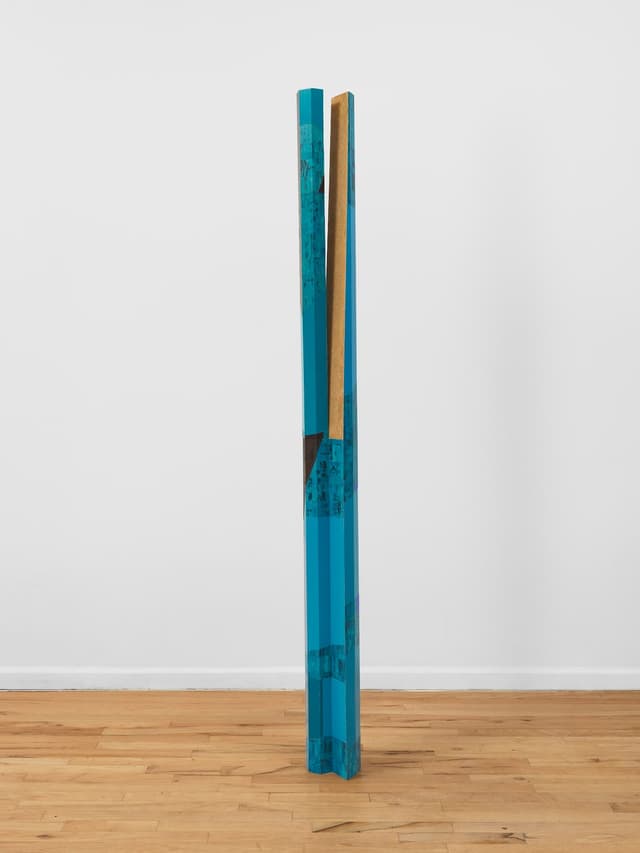
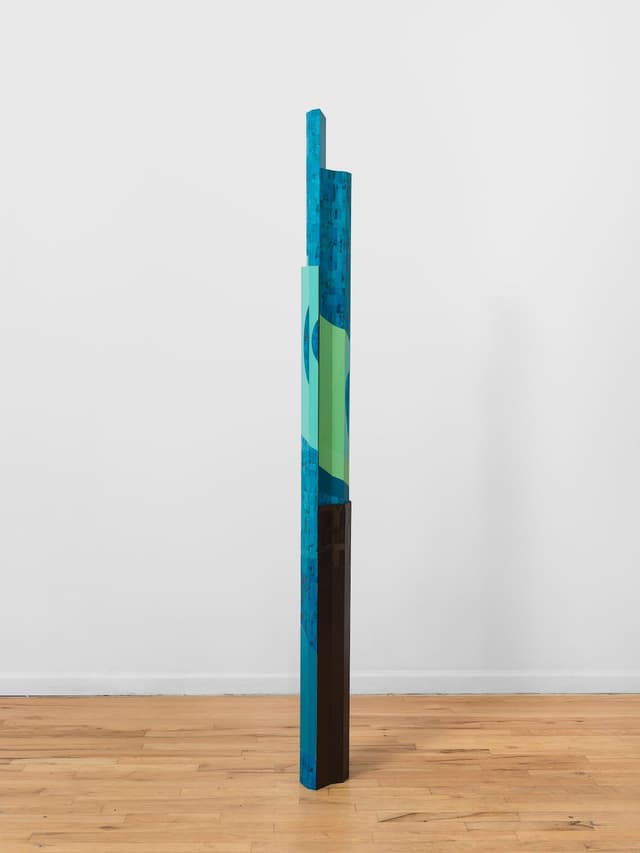
Steph Gonzalez-Turner. Velvet Effect, 2026. Plywood parquetry with oil paint, acrylic and UV printing, and cast sawdust. 84 × 6.5 × 5 inches.
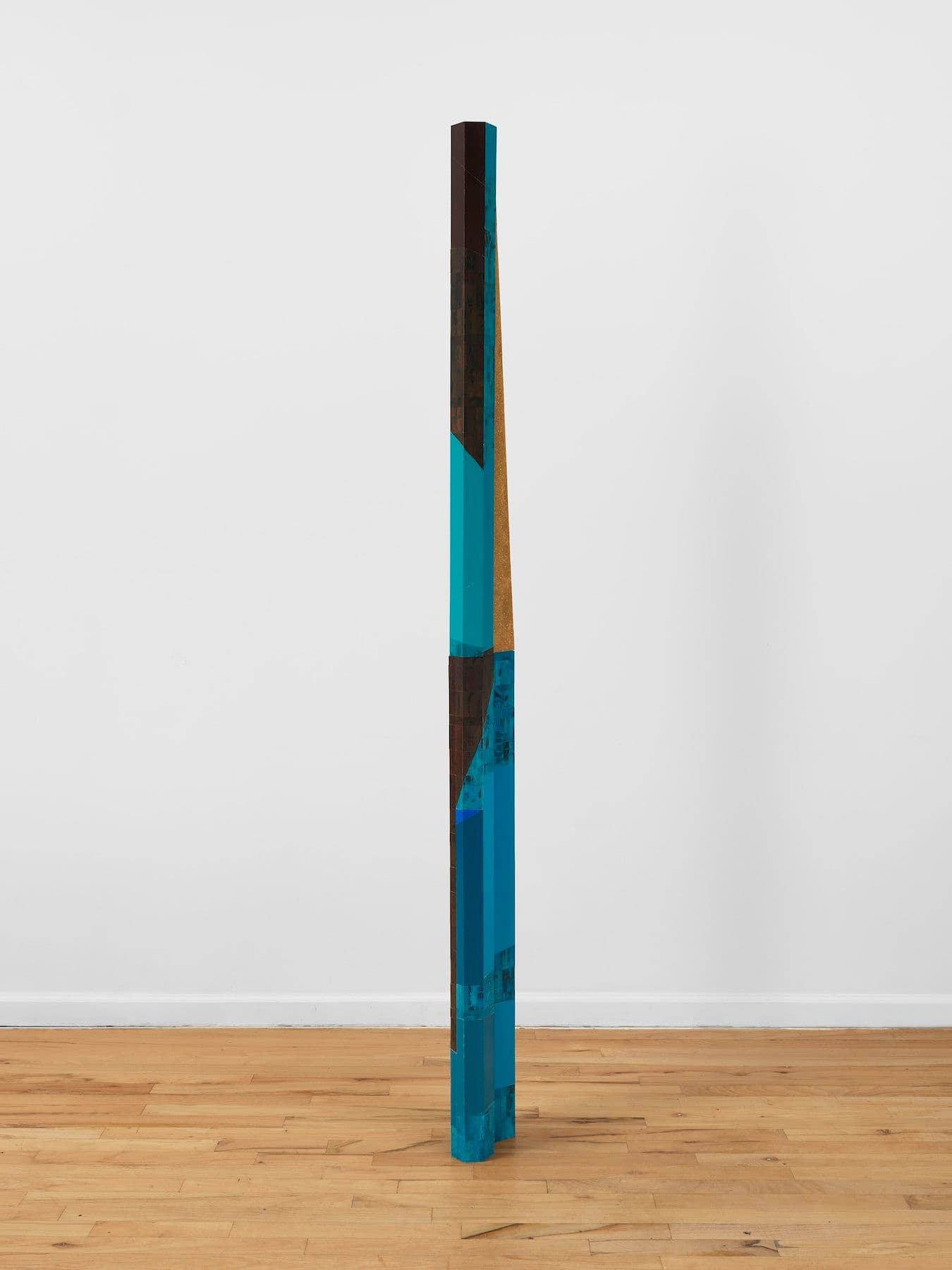
Steph Gonzalez-Turner. Velvet Effect, 2026. Plywood parquetry with oil paint, acrylic and UV printing, and cast sawdust. 84 × 6.5 × 5 inches.
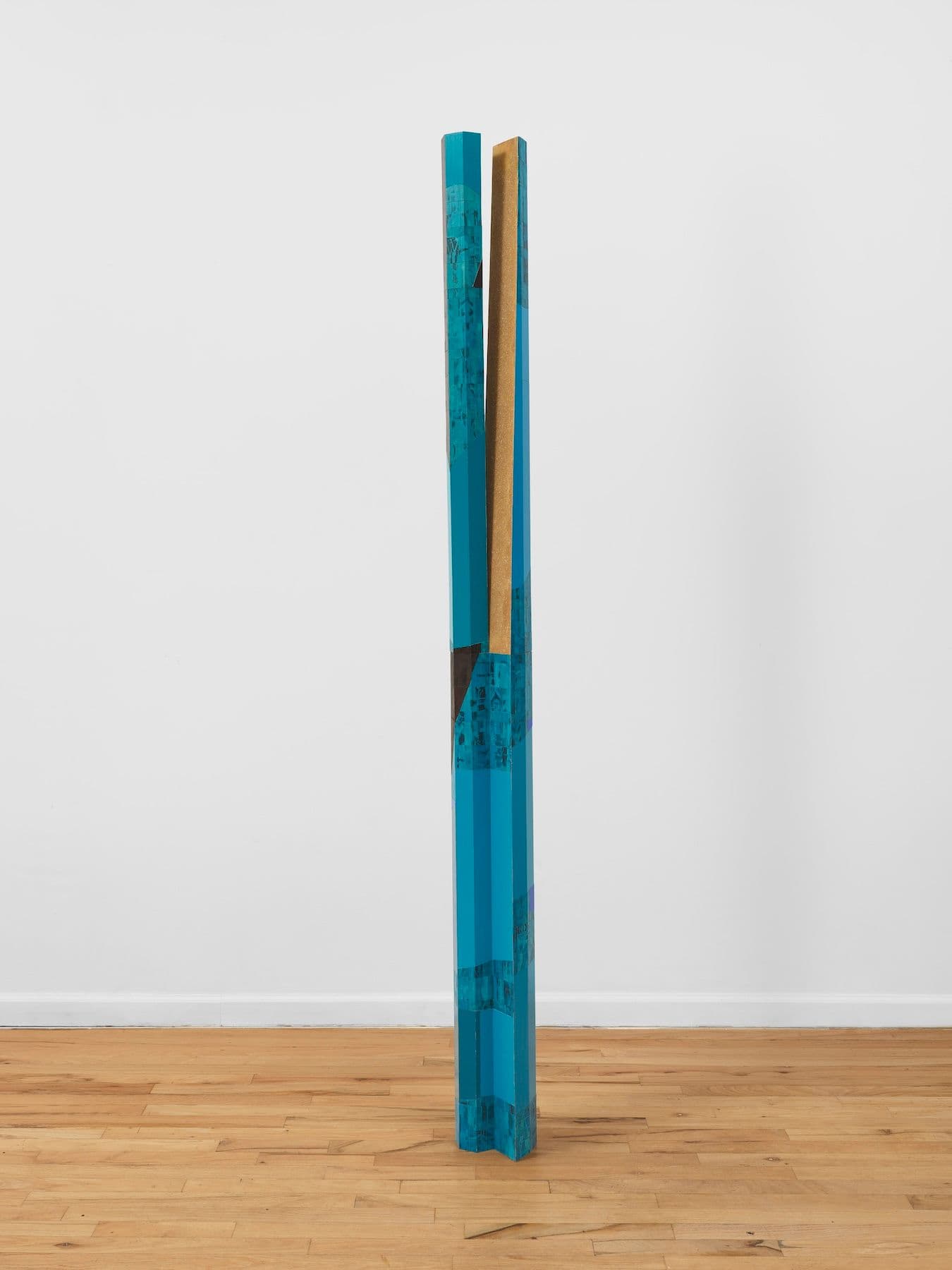
Steph Gonzalez-Turner. Velvet Effect, 2026. Plywood parquetry with oil paint, acrylic and UV printing, and cast sawdust. 84 × 6.5 × 5 inches.
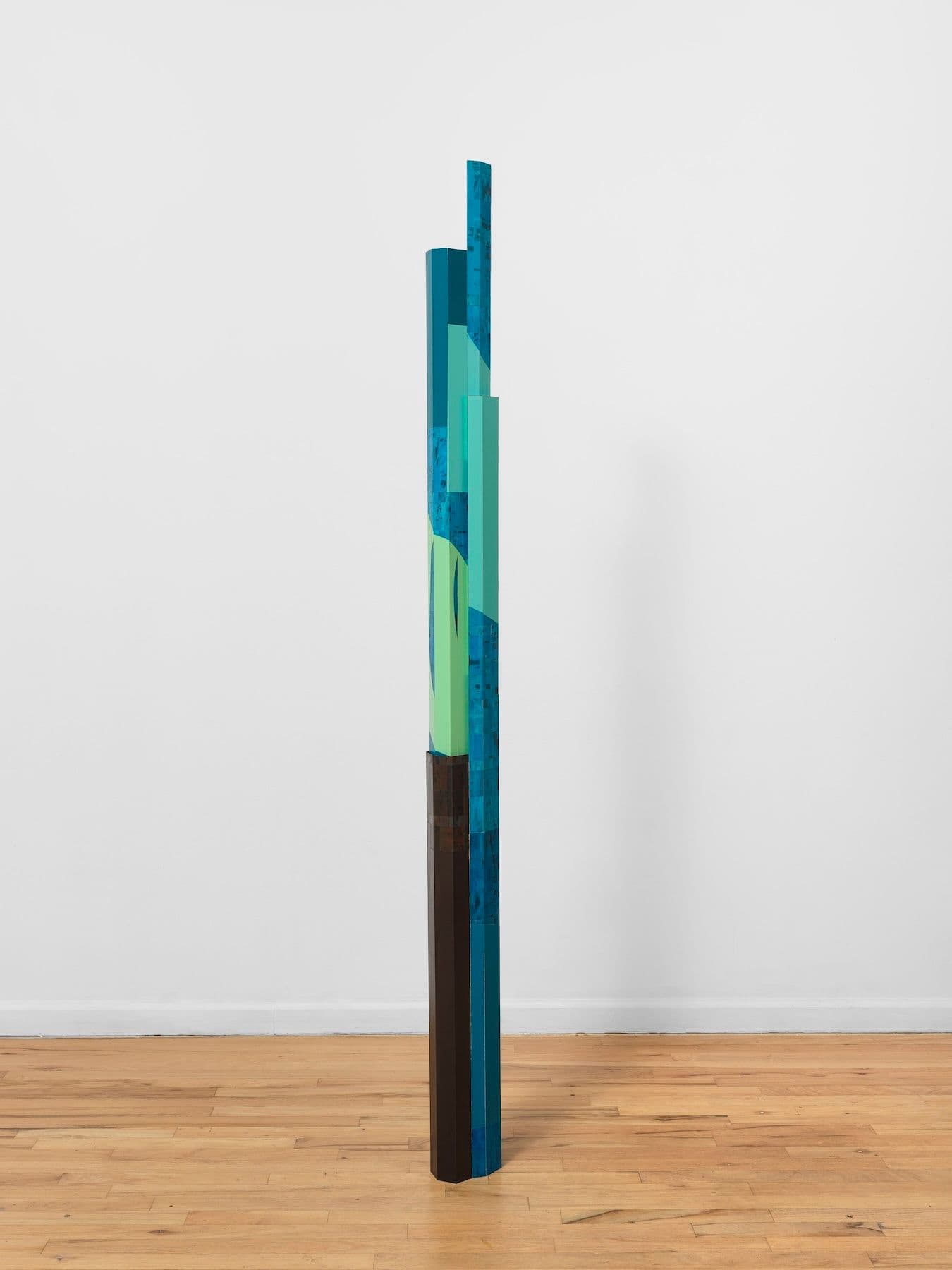
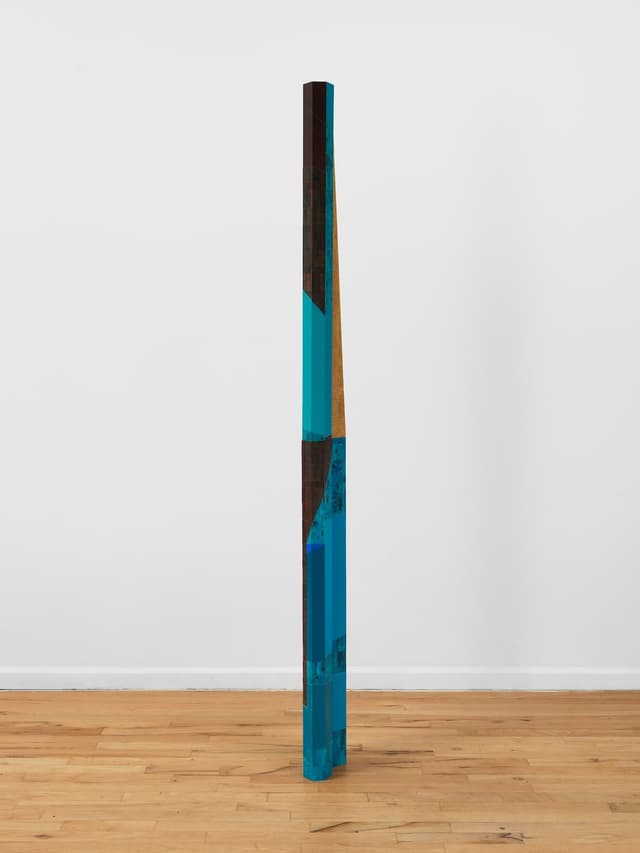
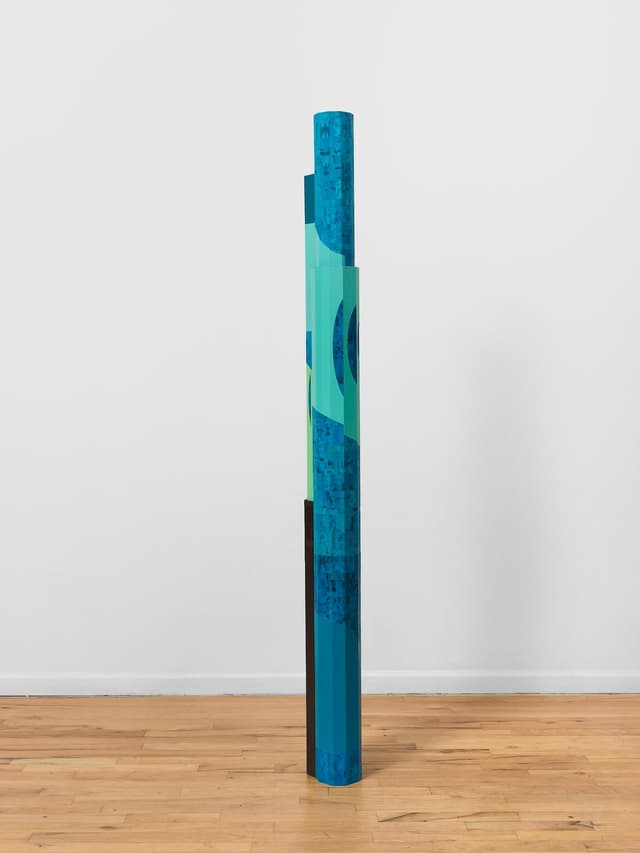
Steph Gonzalez-Turner. Earth Mansion, 2026. Plywood parquetry with oil paint, acrylic, dye and UV printing. 78 × 7 × 5 inches.
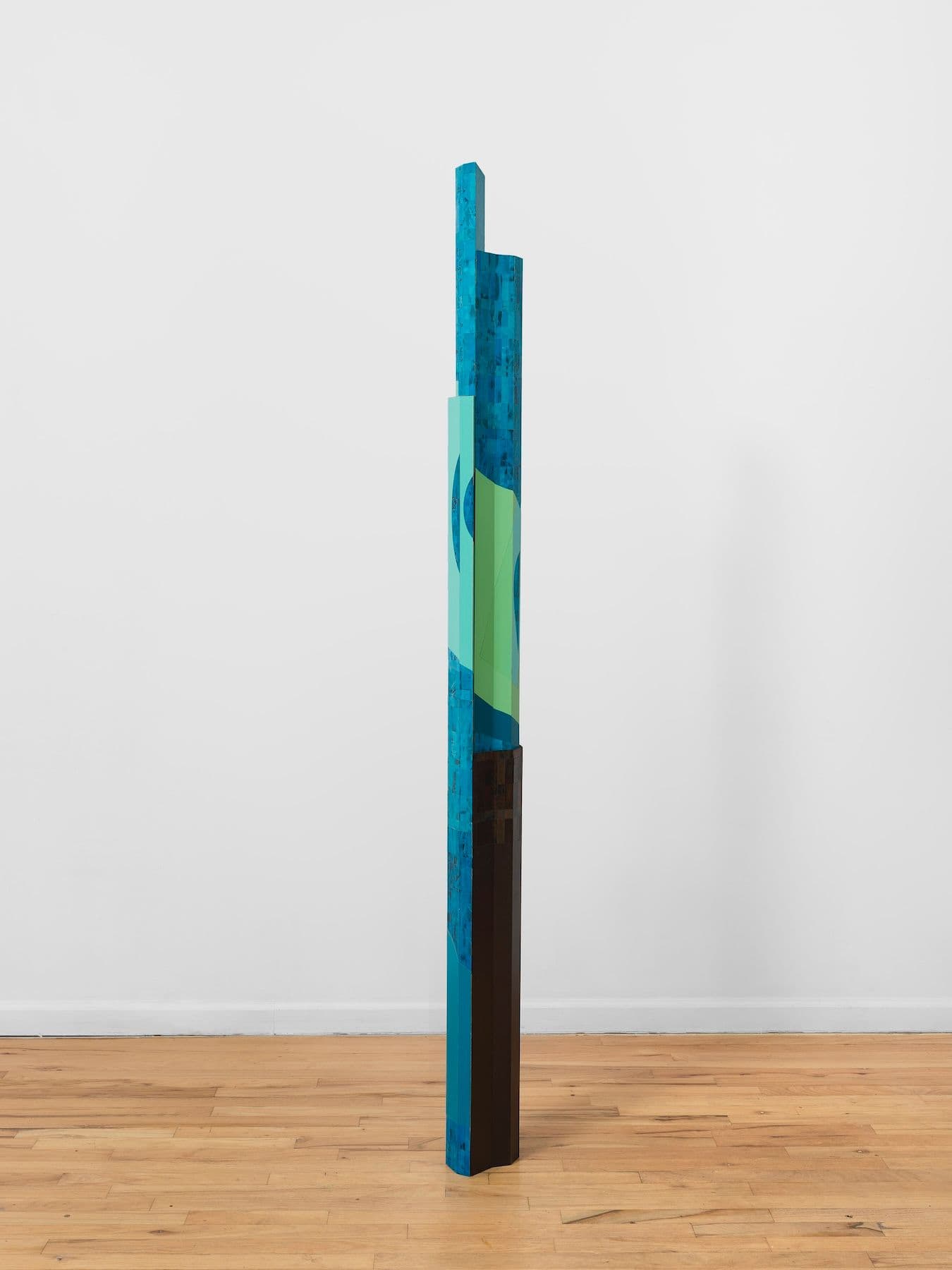
Steph Gonzalez-Turner. Earth Mansion, 2026. Plywood parquetry with oil paint, acrylic, dye and UV printing. 78 × 7 × 5 inches.
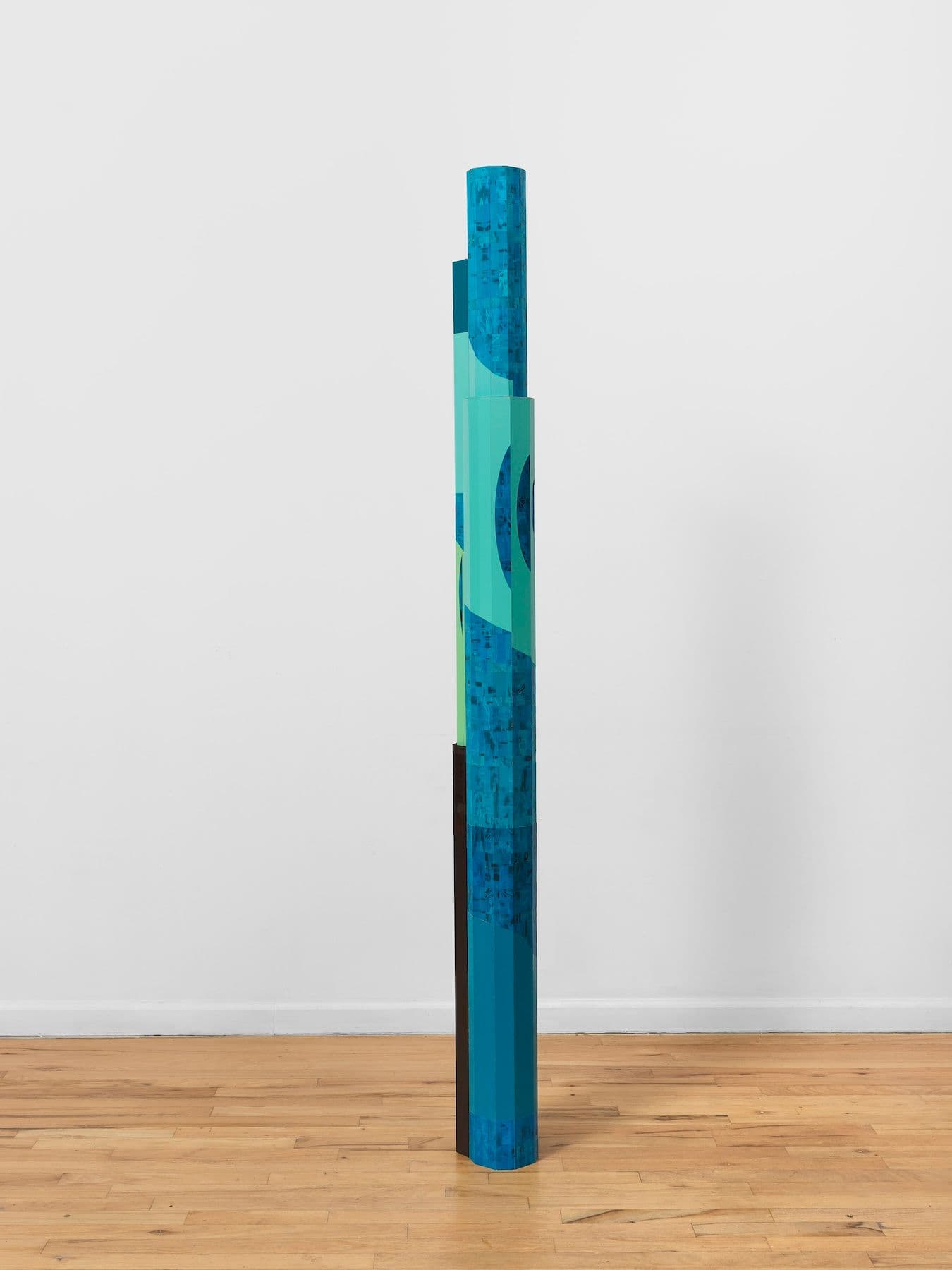
Steph Gonzalez-Turner. Earth Mansion, 2026. Plywood parquetry with oil paint, acrylic, dye and UV printing. 78 × 7 × 5 inches.
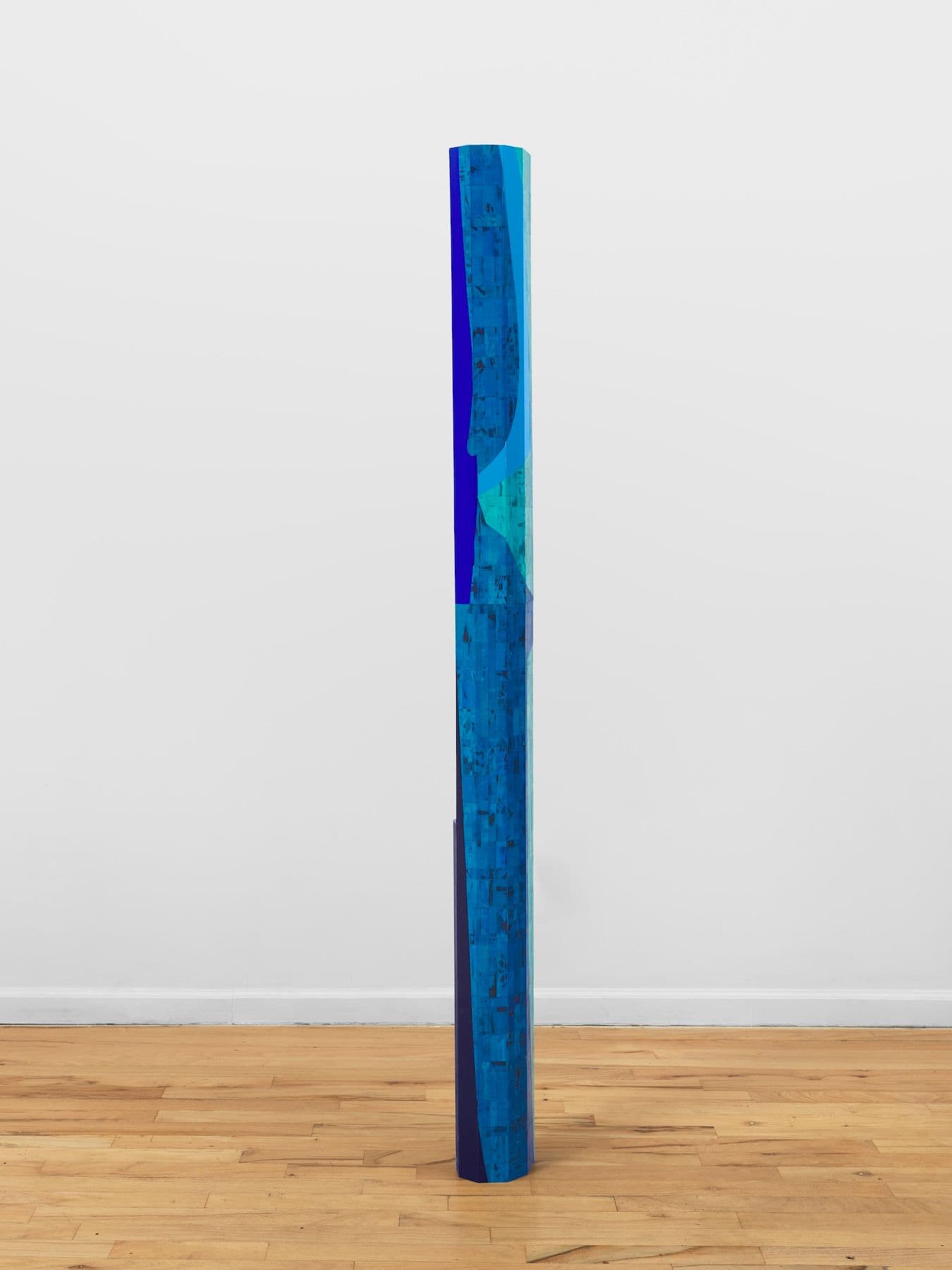
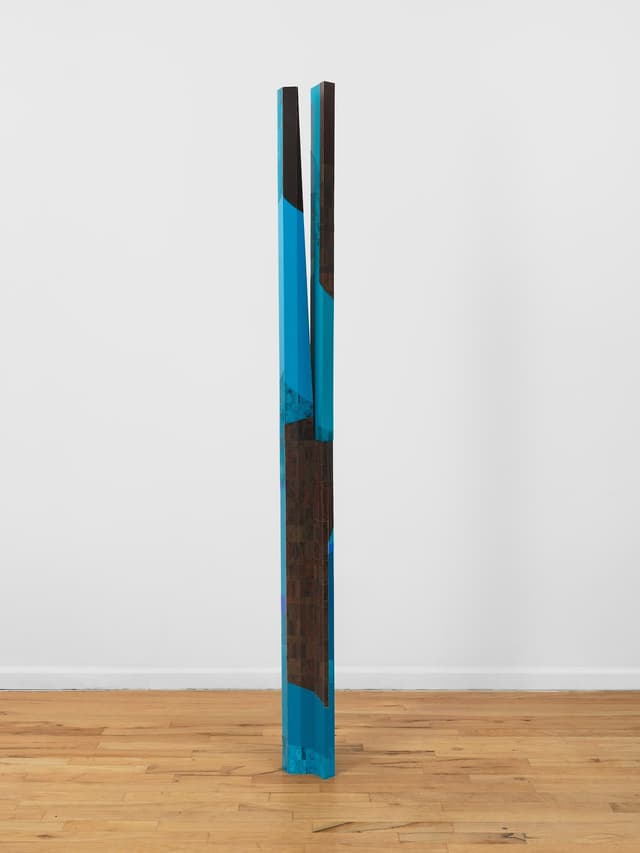
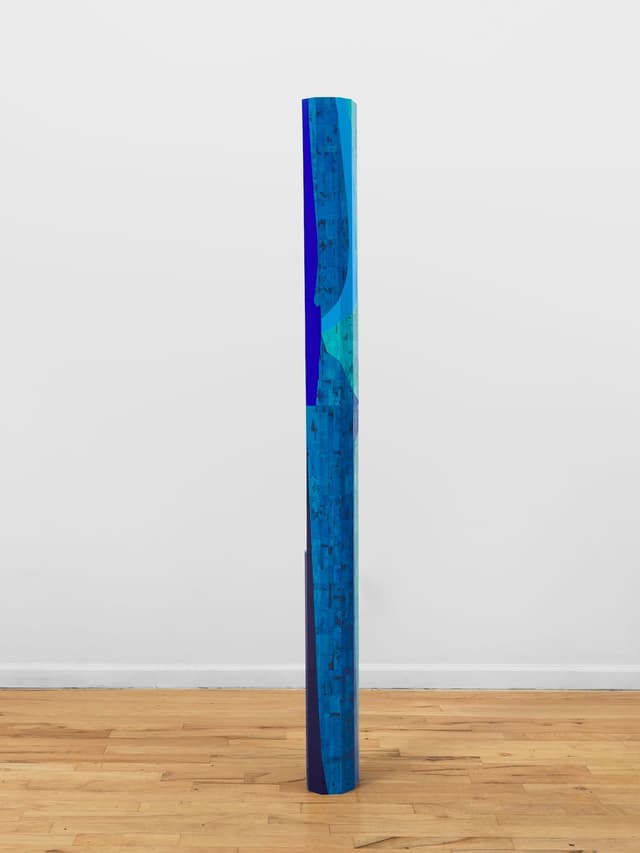
Steph Gonzalez-Turner. Splay, 2026. Plywood parquetry with oil paint, acrylic, dye and UV printing. 74.5 × 7 × 5 inches.
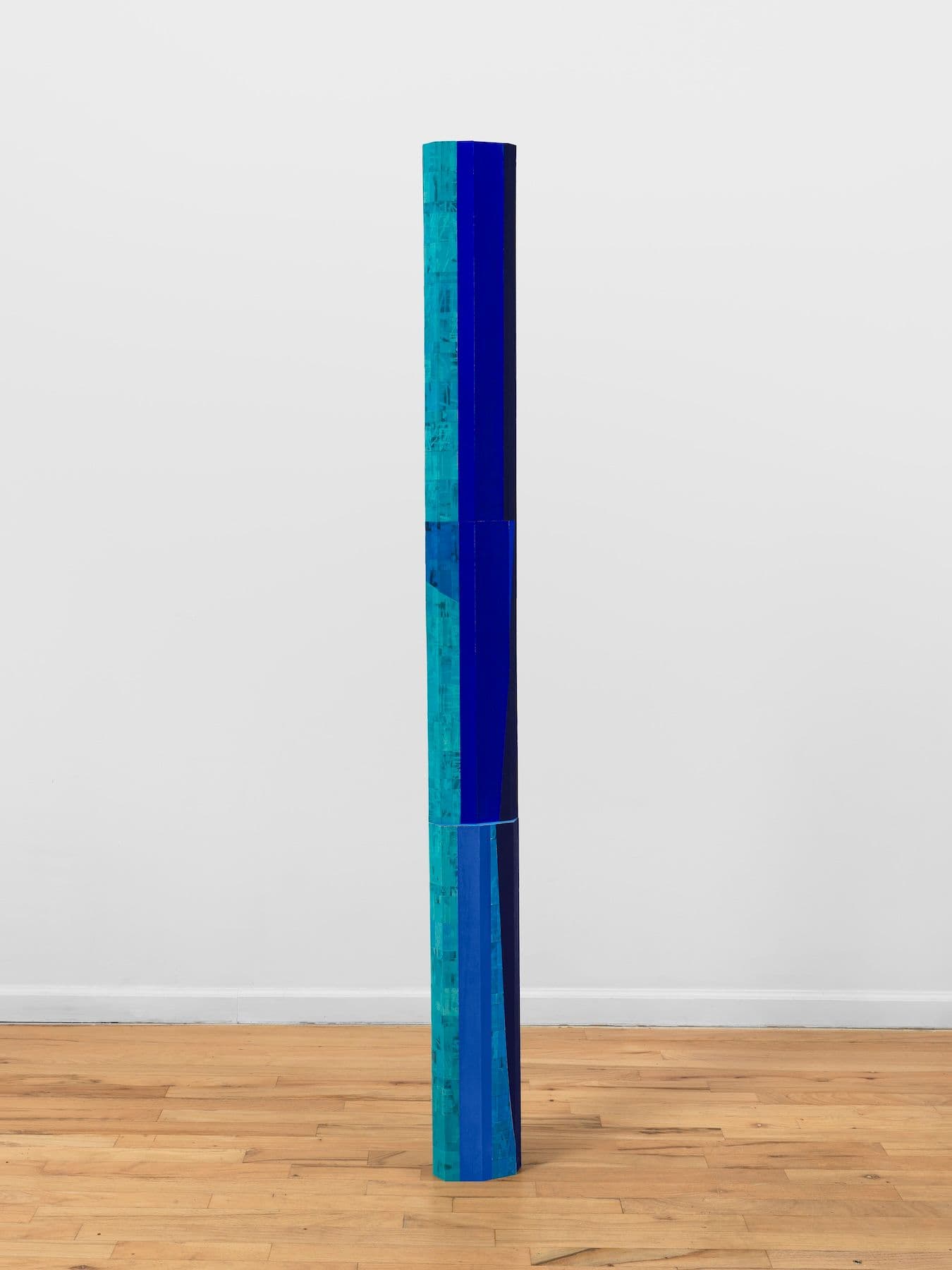
Steph Gonzalez-Turner. Splay, 2026. Plywood parquetry with oil paint, acrylic, dye and UV printing. 74.5 × 7 × 5 inches.
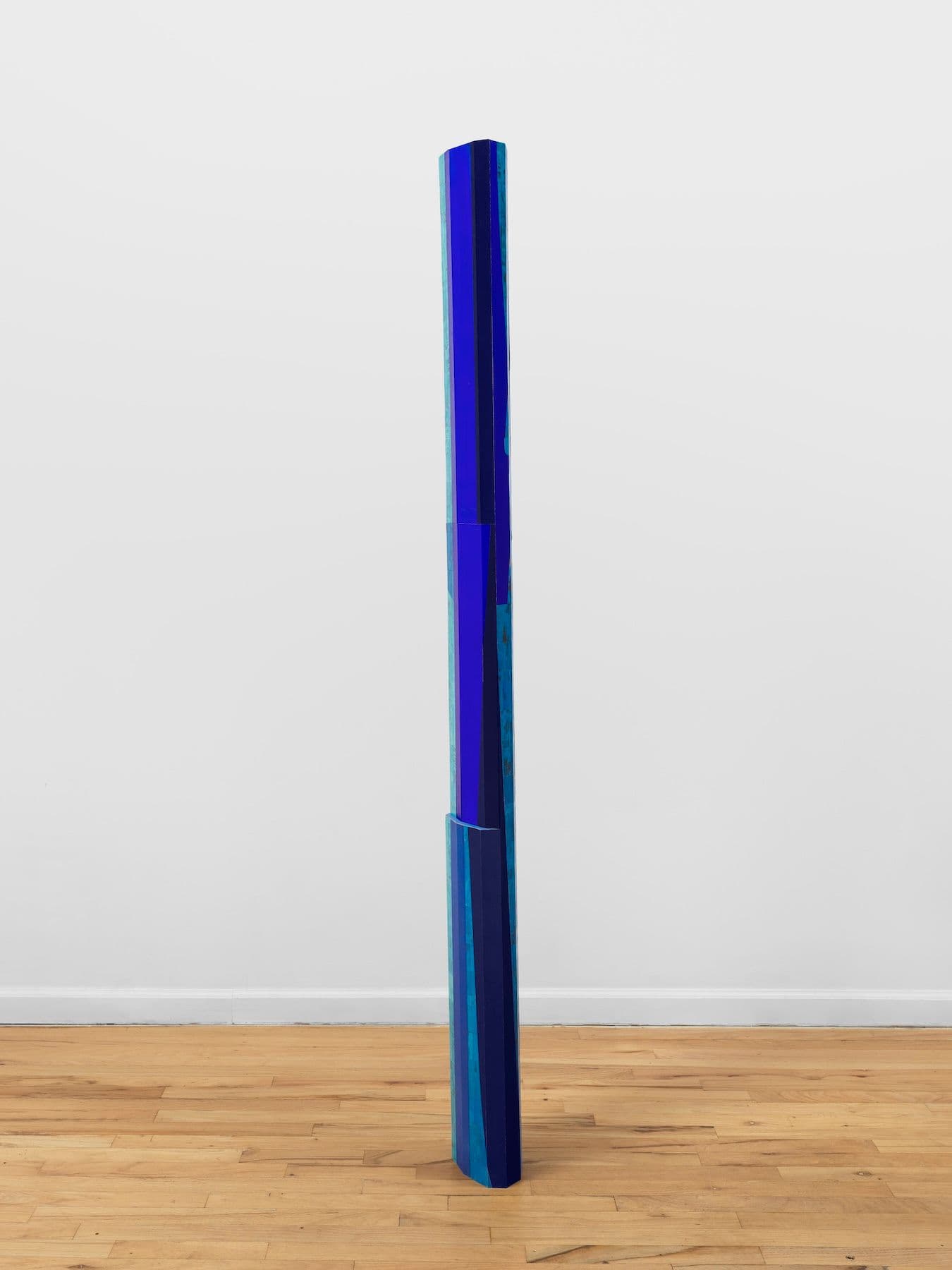
Steph Gonzalez-Turner. Splay, 2026. Plywood parquetry with oil paint, acrylic, dye and UV printing. 74.5 × 7 × 5 inches.
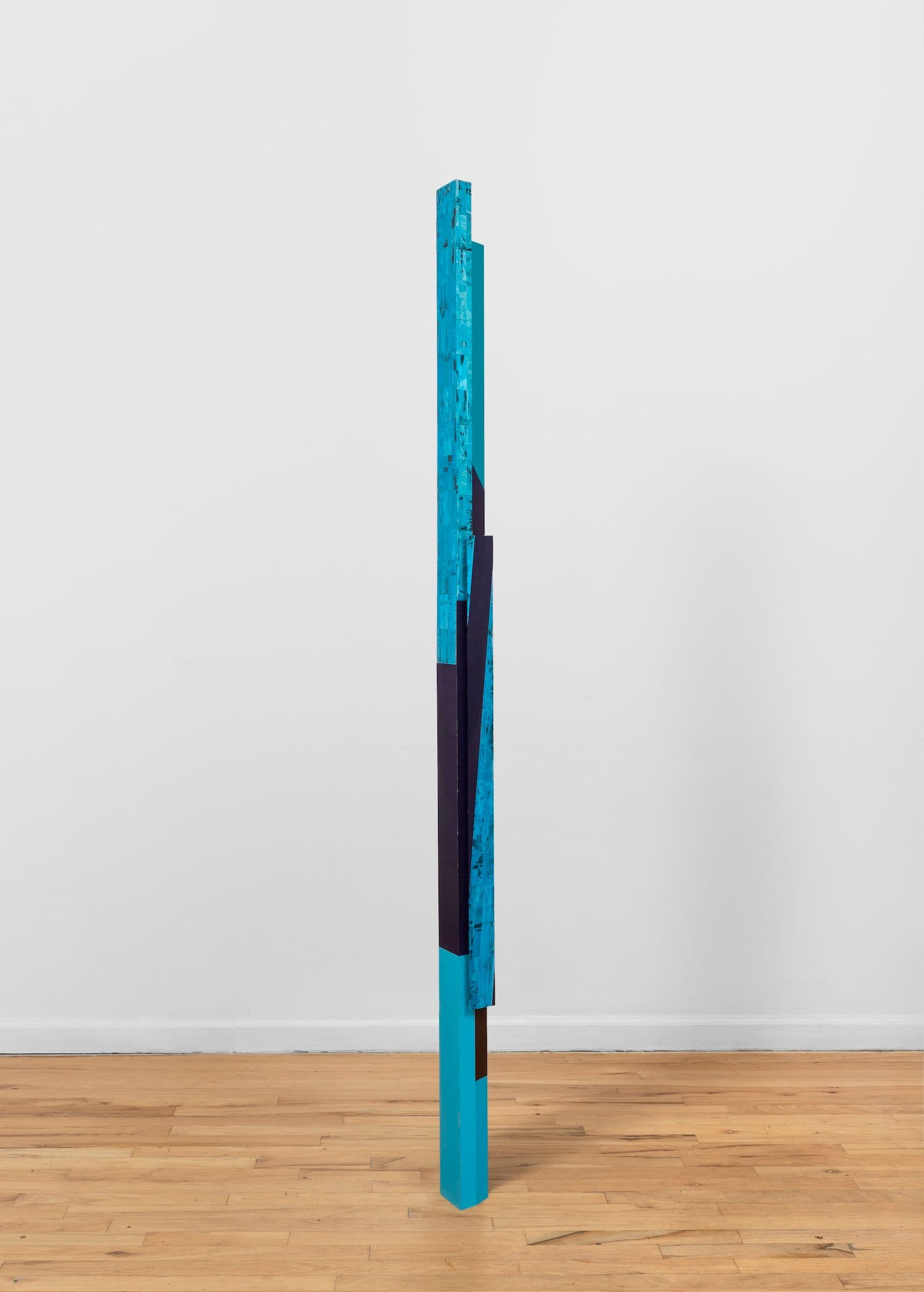
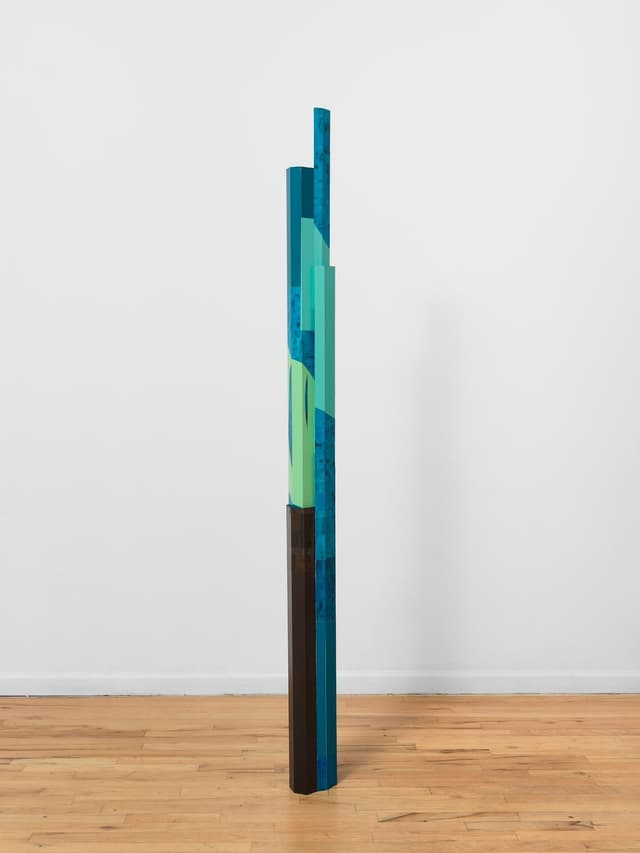
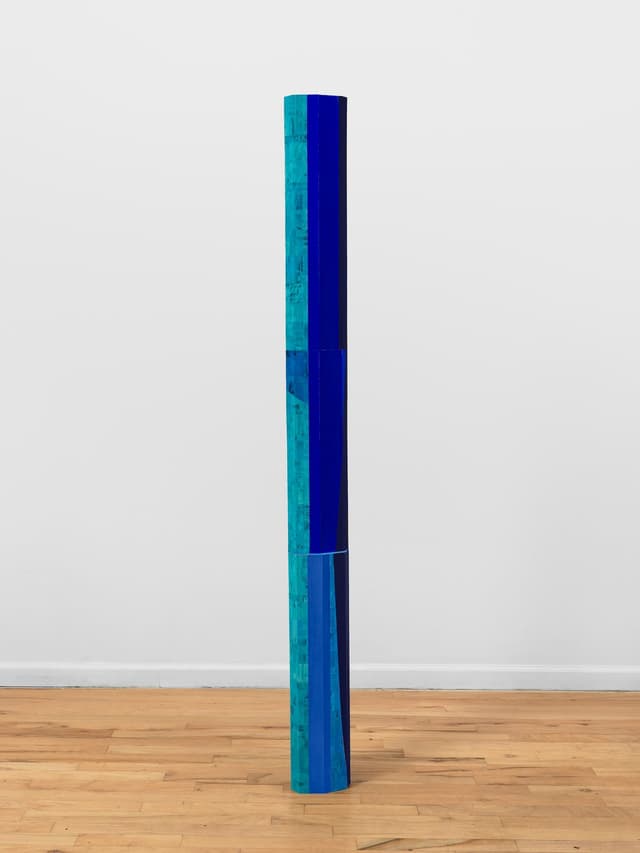
Steph Gonzalez-Turner. Delay Line, 2026. Plywood parquetry with oil paint, acrylic and UV printing, and cast sawdust. 87.5 × 4.25 × 4.25 inches.
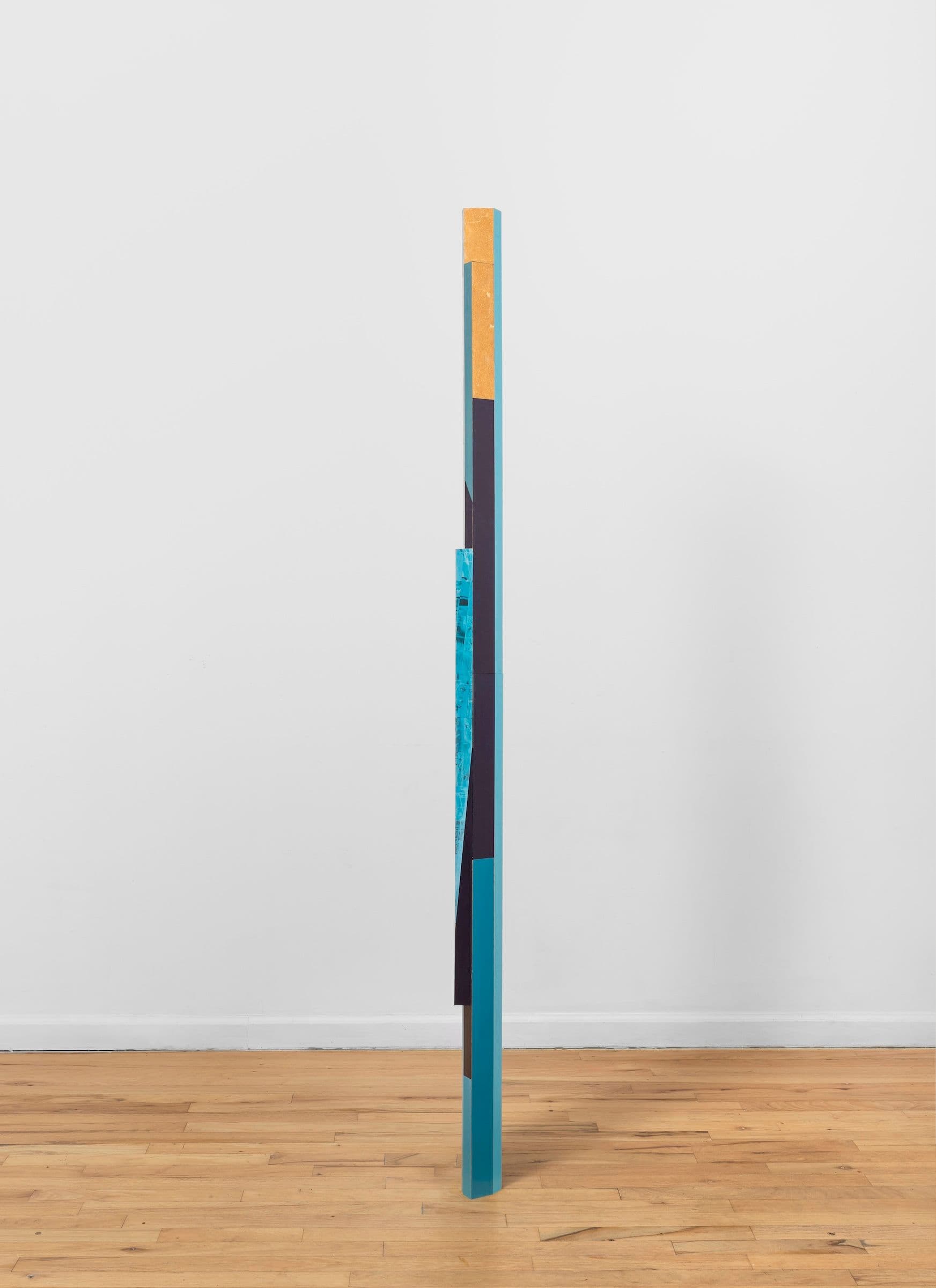
Steph Gonzalez-Turner. Delay Line, 2026. Plywood parquetry with oil paint, acrylic and UV printing, and cast sawdust. 87.5 × 4.25 × 4.25 inches.
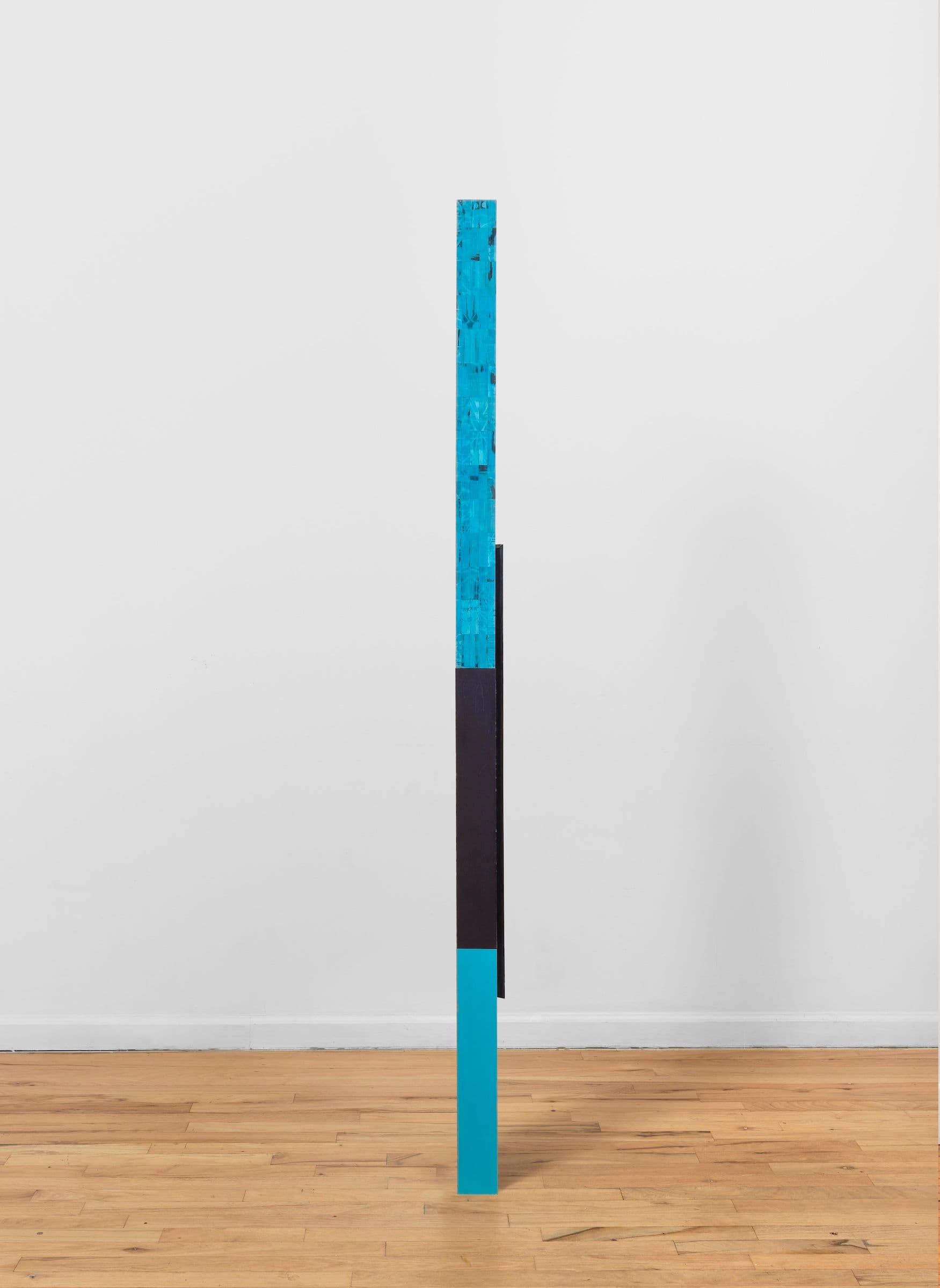
Steph Gonzalez-Turner. Delay Line, 2026. Plywood parquetry with oil paint, acrylic and UV printing, and cast sawdust. 87.5 × 4.25 × 4.25 inches.
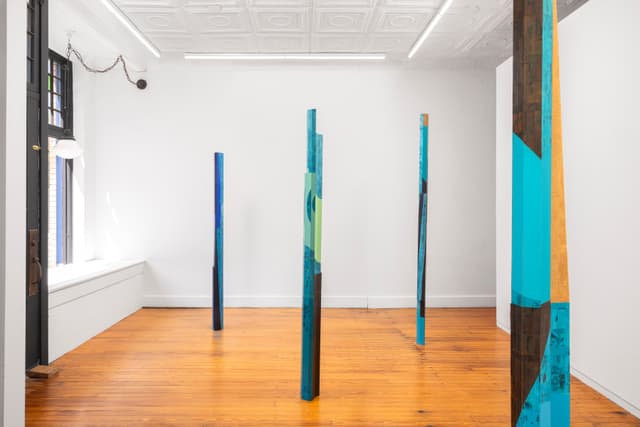
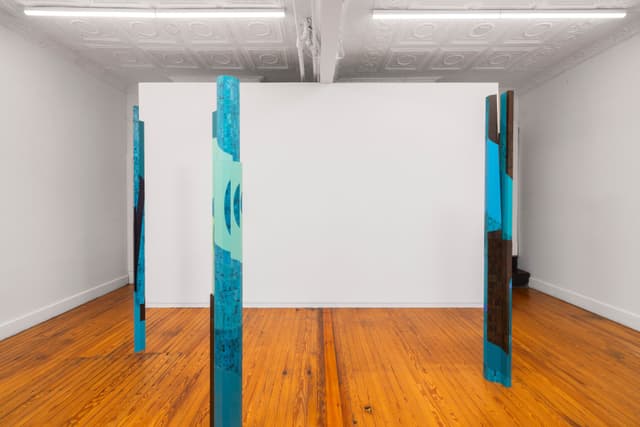
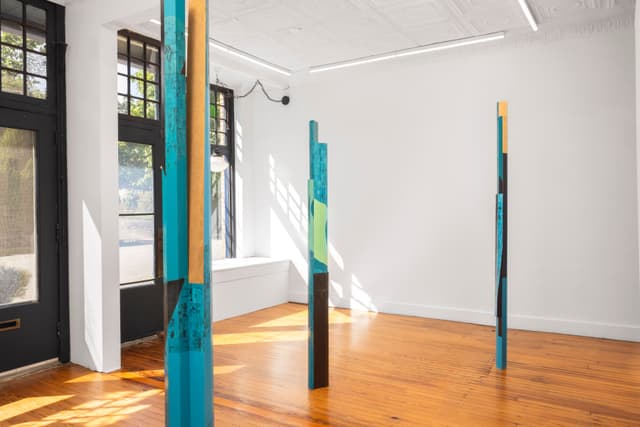
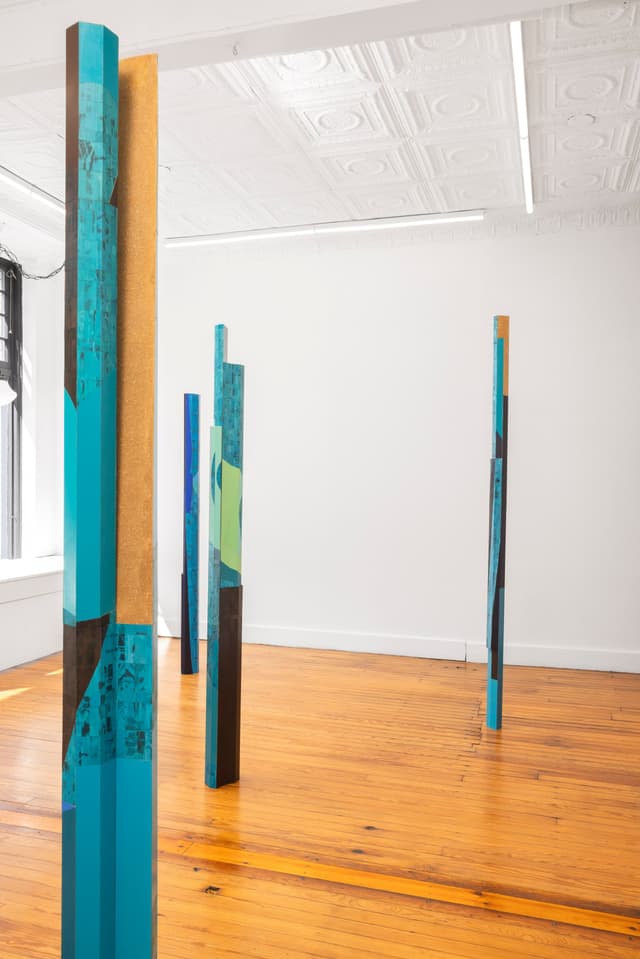
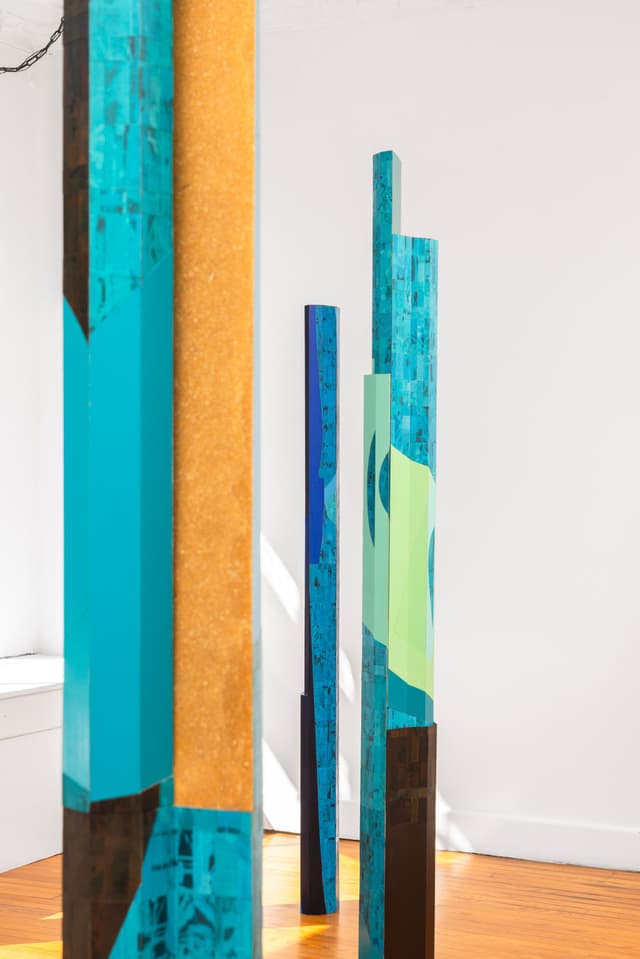
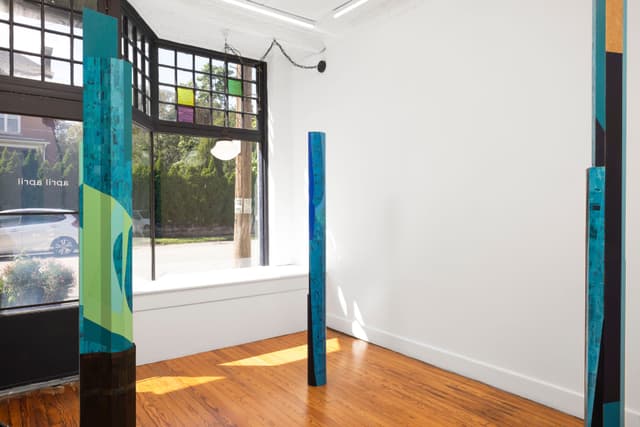
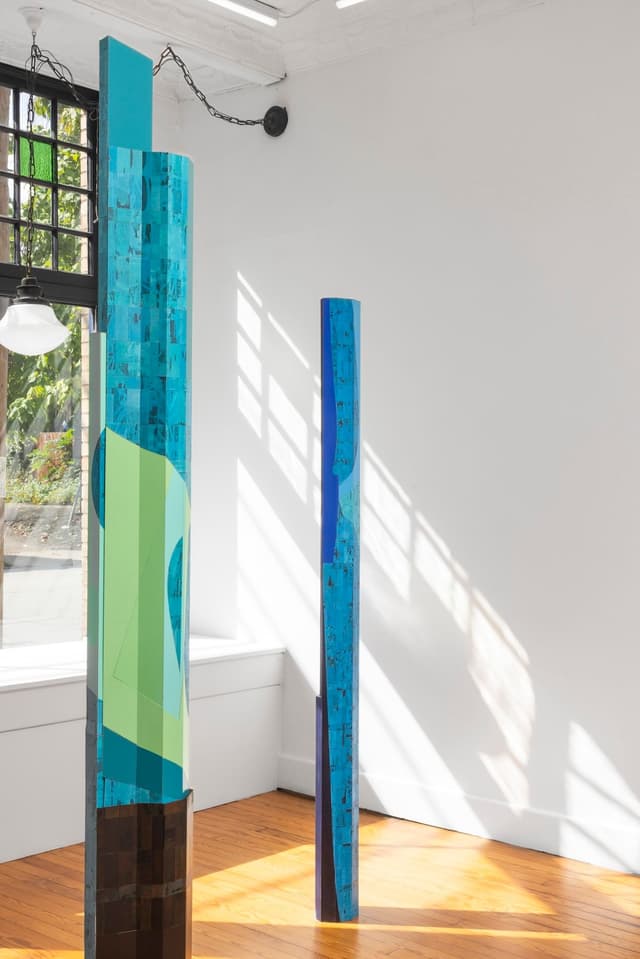
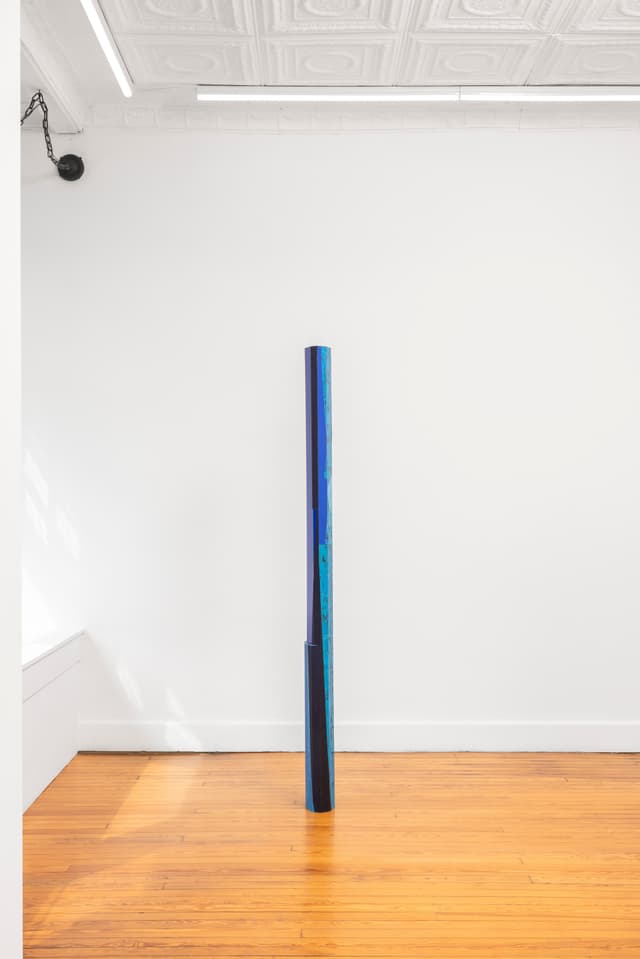
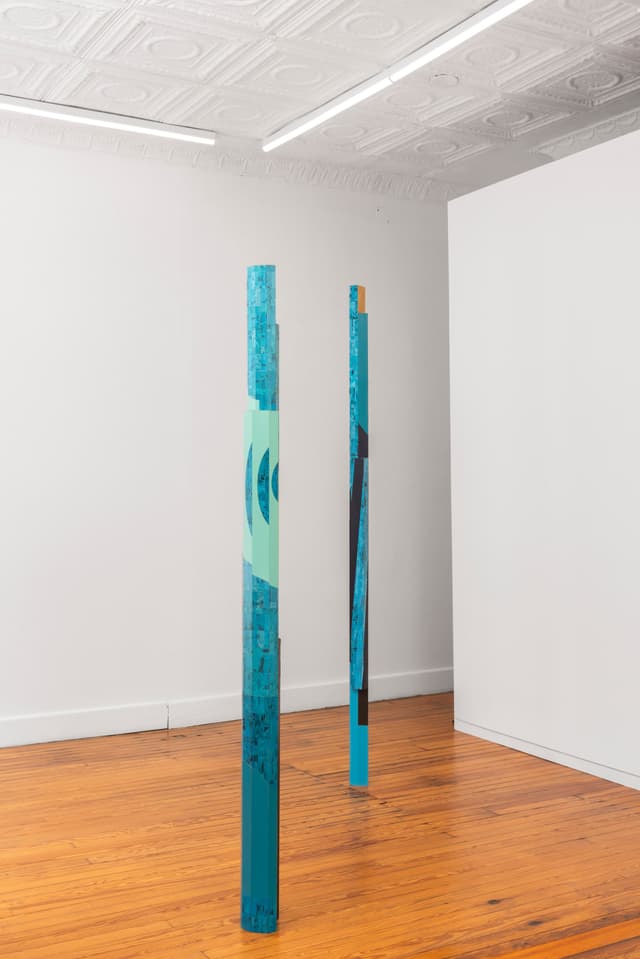
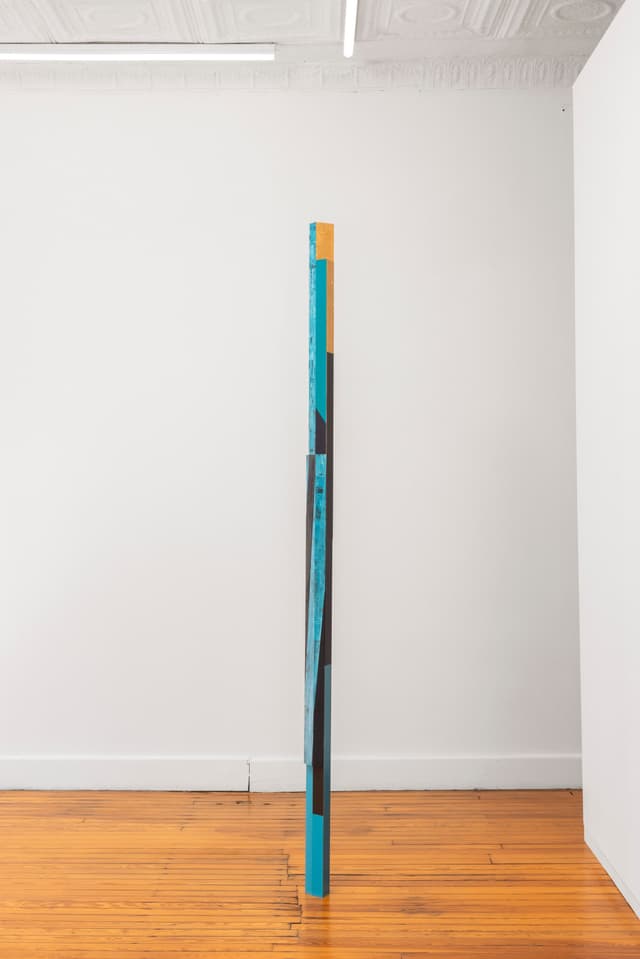
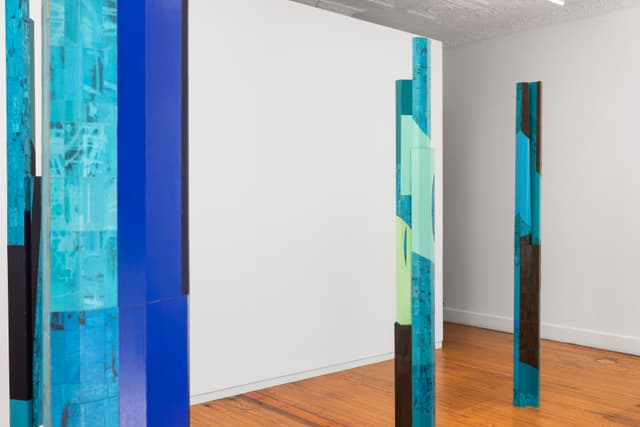
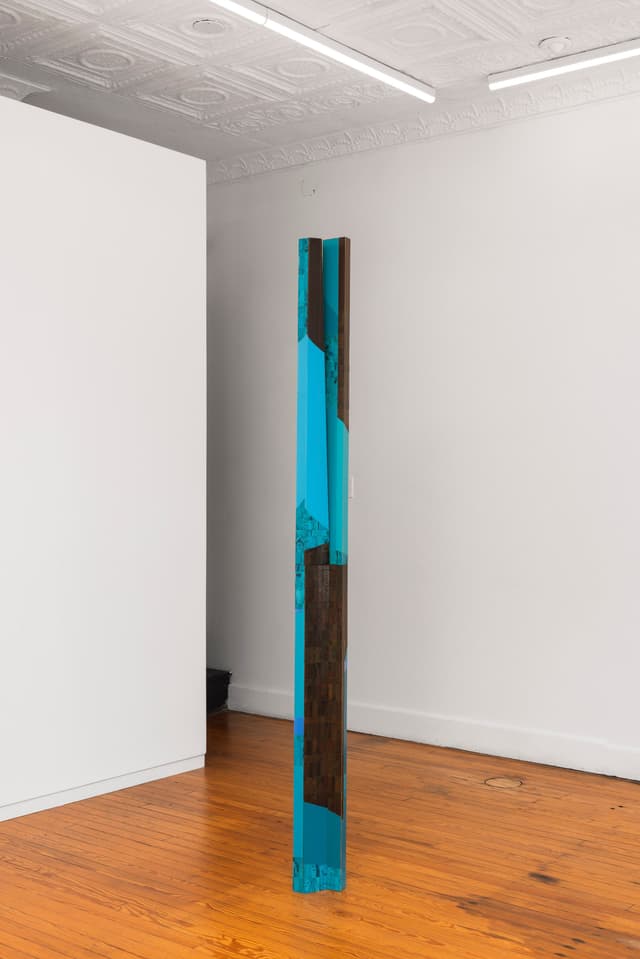
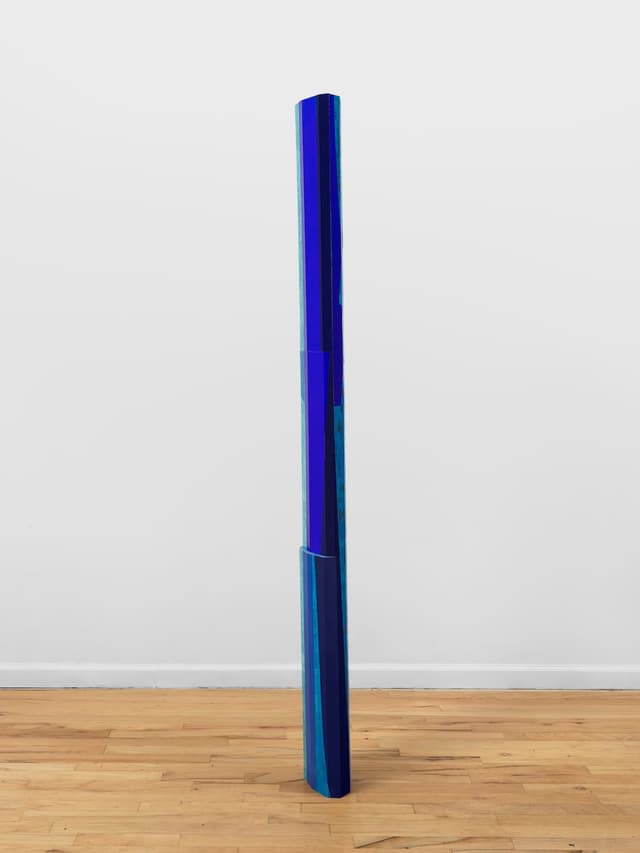
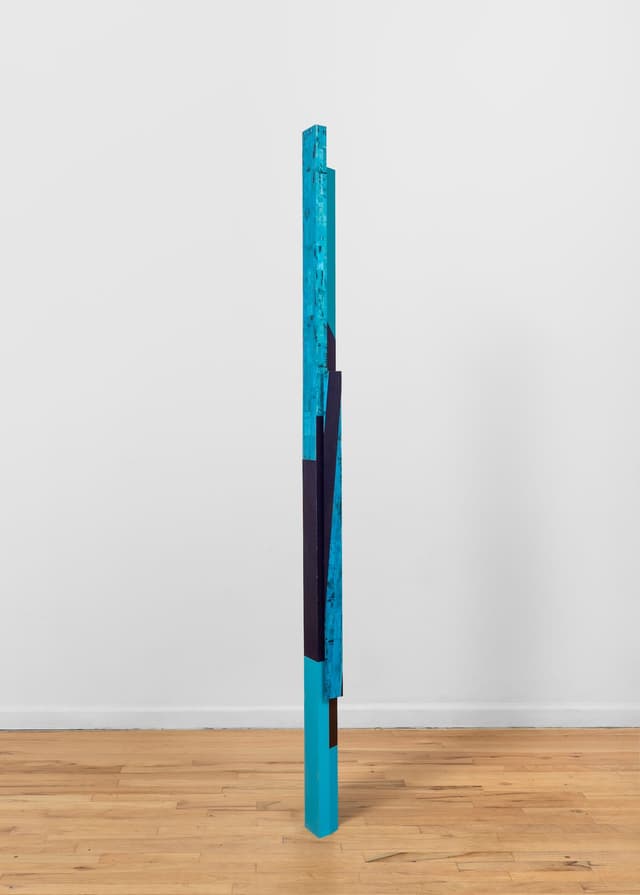
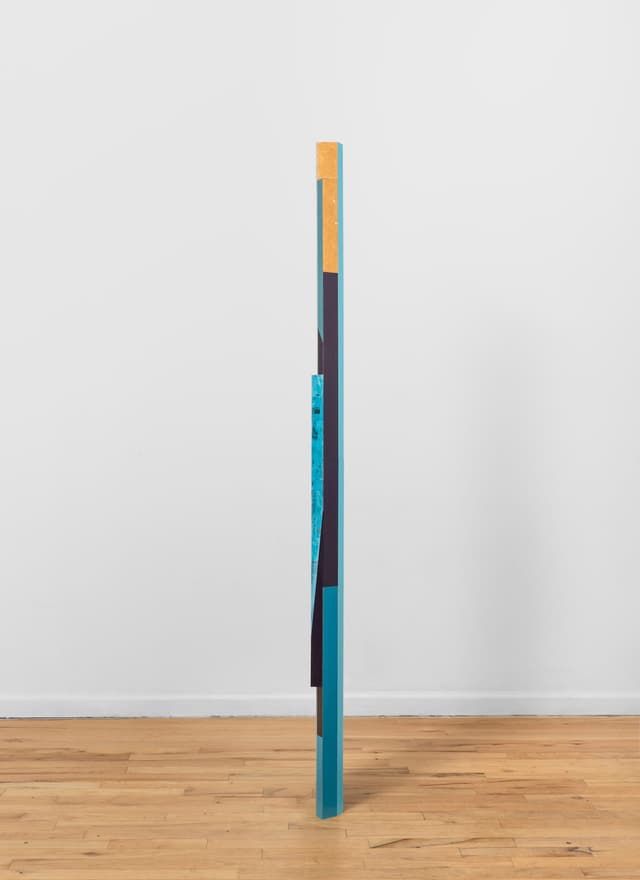
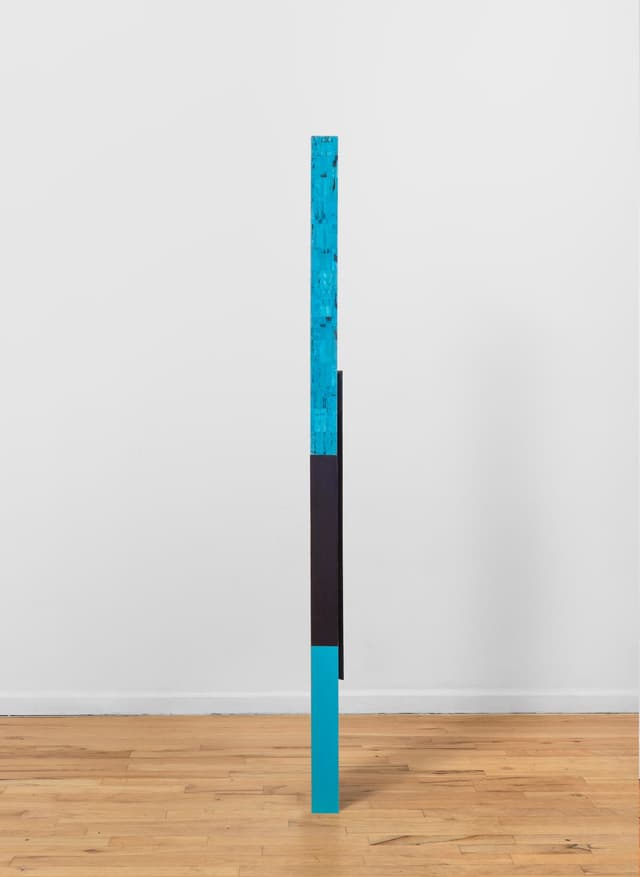
april april is pleased to present A Collapse of Horses, an exhibition by Philadelphia-born, New York-based artist Steph Gonzalez-Turner.
A Collapse of Horses shares its namesake with a story by Brian Evenson, which catalogues the deliriums of a man experiencing unsteady perceptions of the basic facts of his life. He observes the architecture of his home shifting in the night, cannot conclude the exact number of his children, and finds in a nearby paddock four horses laying prone and petrified, neither dead nor alive. Reality remains irreconcilable.
In the gallery, four sculptures tower together at varying heights. These weave painted, stained and image-affixed plywood nodes and molded sawdust composites together such that, at their surface, contrast and sequence in parquetry become a vehicle for experimental cinema. Cascades of dueling blocks breed rhizomatic montages that loop through forms at the pace of their own unraveling. Blocks build easily upward the most modern forms in simulacra—toward the summits of condominiums, electrical infrastructure, ghost forests—only to abandon the viewer at the plateau of recognition. As craftwork, they harken to the history of the hand and conventional treatment of material—refusing “bodily disappearance.” As image-objects, they affirm that craft composes a “simultaneity of time” as reference, and push material inquiry into that of digitality.1 Are they here—real—embodied—paranormal—if they cannot be seen as known themselves?
Capacity is inherent to contrast. Revolutionizing the field of art history, the appearance of plates side-by-side encouraged new logics of analysis in pursuit of a more complex visual literacy. As image proliferation progressed, and multiplicity standardized, the limitation of literacy emerged. How television and film productions for streaming are now assessed based on their “second screen” quality—can they manage the viewer who is also looking at something else? Vision hemorrhages. The drone of what’s dead, the drone of what’s alive, their legible difference in recession. The image as Gonzalez-Turner employs it functions like cud: it does not resolve but instead accumulates.
What is left is an impossible texture, derived from real things as phantom fictions, like vinyl held still on a moving stylus.
1. Lisa Robertson, 26 Theses on Craft (CUTT Press, 2026).
Steph Gonzalez-Turner (b. 1984, Philadelphia, PA) lives and works in New York, NY. Gonzalez-Turner received her MFA in Painting from Yale University and a BA from the University of Pennsylvania. Recent solo and two-person exhibitions include Second Interior, with Olivia Drusin, International Waters, Brooklyn, NY (2026); Hot Bar, Art Lot, Brooklyn, NY (2025); Painting / Sculpture, with Peter Halley, T Space, Rhinebeck, New York (2024); and Architrave, Skibum MacArthur, Los Angeles, CA (2018).
Recent group exhibitions include A Labyrinth of Linkages pt. 1, Galerie Timonier, New York, NY (2025); Material Instinct, Post Times, New York, NY (2025); Broad Picnic, Europa, New York, NY (2024), and Stuff, curated by Arlene Shechet, Pace Gallery, New York, NY (2022), among others. She has been the recipient of several awards and artist residencies, including Yale University’s Helen Watson Winternitz Painting Prize and Blended Reality: Applied Research Project, in partnership with Hewlett-Packard.